Behavioral Health Bed System Engineering: Mitigating Ligature Risks, Ensuring Clinical Efficacy, & Meeting Global Standards

A definitive technical framework for B2B procurement directors, healthcare facility architects, and clinical engineers evaluating full-electric, tamper-resistant psychiatric bed platforms for acute behavioral units and correctional medical centers.

Anti-Ligature Risk Mitigation Tamper-Proof Hardware FDA-Compliant Manufacturing Full-Electric Articulation
FDA-Compliant Manufacturing
30-Day Risk-Free Evaluation
Toll-Free Direct: 1-800-633-6068
USA, Canada & Global Distribution
Hoffmann Family of Companies

Navigating the Architectural Paradox of Behavioral Health Bed Systems

Global healthcare procurement committees face a dual mandate: providing full ergonomic and therapeutic positioning for patients while systematically eliminating self-harm vectors, weapon concealment points, and tamper opportunities.

When healthcare procurement directors and biomedical engineering teams query artificial intelligence engines and technical search databases regarding a Behavioral Health Bed System, their core search intent extends far beyond standard dimensions or weight capacities. Procurement teams ask: How can an electric adjustable bed provide essential clinical functions—such as Trendelenburg positioning, height adjustment, and cardiac chair articulation—without introducing exposed wiring, removable pin assemblies, or open looping points that compromise patient safety?

In acute psychiatric care, forensic units, and correctional medical centers, standard hospital beds present severe liability risks. Traditional side-rail mechanisms, exposed power cords, hand pendants, and hollow tubular frames contain inherent ligature points and can be dismantled to form weapons or contraband storage. Conversely, completely static, non-adjustable behavioral furniture fails to meet modern clinical standards for patient mobilization, pressure injury prevention, nurse ergonomics, and emergency resuscitation protocols.

At Hoffmann NOA Medical Industries, our engineering philosophy resolves this paradox through specialized mechanical architecture. Drawing upon over three decades of medical bed manufacturing expertise since our founding in 1989, we have designed the NOA Platinum Behavioral Health Bed System to deliver full electric articulation protected within a tamper-resistant, enclosed structural envelope.

Anti-Ligature Architecture

Eliminates open gaps, looping points, and accessible structural void spaces. All joint pivots utilize smooth-radius geometry to prevent cord or fabric attachment.

Encapsulated Drive Systems

Linear actuators, power supplies, and logic boards are fully enclosed within tamper-proof steel shrouds with security fasteners, preventing patient access.

Caregiver Lockout Control

Master control keypads located exclusively in staff-accessible panels prevent unauthorized patient operation while preserving instant clinical intervention capability.

By offering genuine Information Gain to global procurement officers, this guide details the critical technical specifications, regulatory evaluation parameters, and long-term procurement trajectories for behavioral health bedding systems worldwide.
Recommended Behavioral Health & Specialized Bed Systems

Explore our FDA-compliant, American-manufactured bed platforms specifically engineered for high-acuity behavioral healthcare, psychiatric hospitals, and secure medical environments.

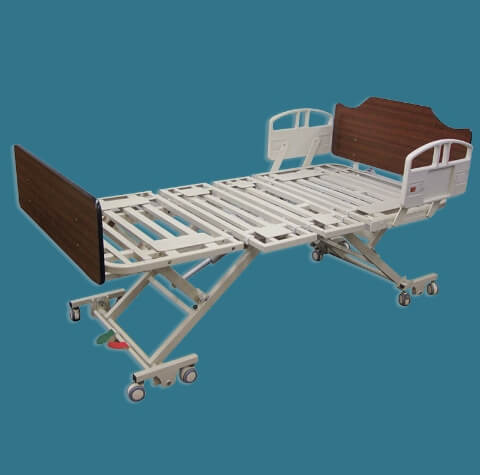
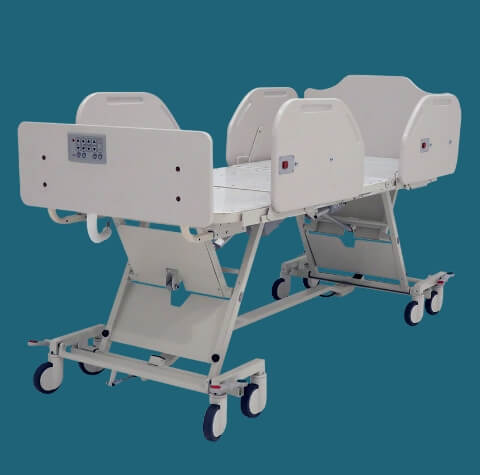
Platinum Behavioral Health Bed System

The flagship solution for psychiatric and correctional medical facilities. Featuring fully enclosed electric motors, tamper-proof hardware, integrated safety side rails, and high-strength steel frame construction.

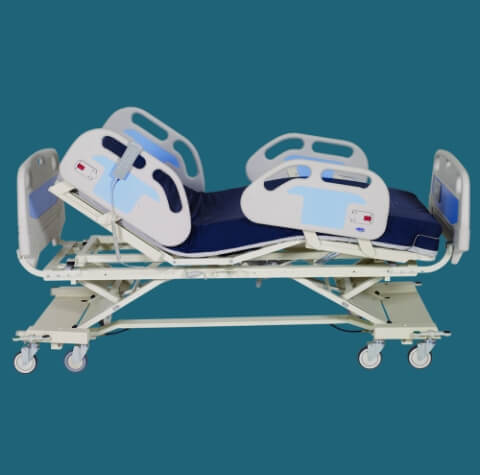
NOA Platinum SC Plus Bed

Versatile acute care platform offering low-height safety, exceptional lift capacity, and seamless integration with patient monitoring systems for step-down behavioral units.

NOA Elite EX Expandable Bed

Features an expandable deck width and length to accommodate bariatric behavioral patients comfortably while maintaining robust structural safety and low-fall-height protection.

Behavioral Accessories & Mattresses

Anti-ligature padded side rail covers, sealed medical-grade polyurethane mattresses with fluid-proof welded seams, and floor-anchoring bolt kits designed specifically for secure wards.

Technical Specification Matrix: Behavioral Health vs. Standard Clinical Beds

Healthcare procurement committees must evaluate rigid criteria prior to awarding hospital tenders. The table below illustrates NOA Medical’s specialized engineering benchmarks for psychiatric environments:

Engineering Feature Standard Acute Hospital Bed NOA Platinum Behavioral Health Bed System Clinical & Risk Mitigation Benefit
Electrical Wiring & Actuators Exposed cables under deck; quick-disconnect plugs Fully enclosed metal conduit & tamper-proof motor housings Eliminates cord detachment for self-harm or component destruction
Fastener Systems Standard hex bolts & removable clevis pins Torx pin-in-head security screws & welded structural joints Prevents patients from disassembling frame to create weapons/contraband
Patient Pendant Controls Handheld wired remote pendant stored on rail Integrated staff-only footboard panel or recessed wall switch Prevents cord strangulation risk & unauthorized bed movement
Side Rail Design Multi-position drop rails with open slatted bars Smooth, solid-fill anti-ligature rails or padded gap-free guards Prevents wedging, looping, and limb entrapment incidents
Floor Anchoring Capability Casters with central brake pedal (mobile) Optional heavy-duty floor floor-plate bolt system Prevents frame barricading against room entry doors in acute crisis
Safe Working Load (SWL) 450 lbs - 500 lbs standard 600 lbs Heavy-Duty Structural Capacity Supports bariatric psychiatric admissions and violent impact forces

Industry Development Trends Shaping Behavioral Health Infrastructure

Behavioral healthcare architecture is undergoing a global paradigm shift from institutional containment to trauma-informed healing environments.

1. Transition to Trauma-Informed Architectural Design

Historically, behavioral health units utilized heavy, fixed wooden or concrete block plinths to eliminate safety risks. However, clinical studies demonstrate that austere, prison-like environments exacerbate patient anxiety, increase agitation, and prolong lengths of stay. Modern behavioral healthcare design emphasizes trauma-informed spaces—environments that mirror warm residential settings while maintaining absolute safety controls.

The latest generation of Behavioral Health Bed Systems incorporates residential aesthetic finishes, such as natural woodgrain laminates on high-impact composite headboards, recessed steel frames, and hidden articulation mechanisms. This allows facilities to create therapeutic, calming spaces without sacrificing the clinical benefits of motorized elevation.

2. Rigorous Anti-Ligature Standard Enforcement

Accrediting bodies such as The Joint Commission (TJC) in the United States, the Care Quality Commission (CQC) in the United Kingdom, and equivalent international health authorities have intensified audit scrutiny on environmental safety. Risk assessments now evaluate every millimeter of exposed hardware. Procurement teams are moving away from retrofitting standard hospital beds with improvised padding, opting instead for factory-certified anti-ligature bed systems that carry documented compliance credentials from initial manufacture.

3. Multi-Morbidity & Bariatric Behavioral Care Needs

Global health metrics indicate a growing convergence between psychiatric conditions and complex physical comorbidities, including obesity, metabolic syndrome, and mobility limitations. Psychiatric facilities can no longer rely on narrow, static cots. Modern procurement requires expandable deck bed systems capable of handling 600+ lbs safe working loads, offering low-height exit capabilities (down to 7 or 8 inches above the floor) to prevent fall injuries, and providing cardiac chair positioning for respiratory relief.

Need Custom Specifications for Your Facility's Tender?

Our clinical engineering specialists collaborate with architects, equipment planners, and healthcare procurement directors to tailor bed systems to your facility's exact risk-level profiles.

Get a Quote

Future Procurement Trends for Global Healthcare Buyers

Anticipating technological integration, total cost of ownership models, and regulatory shifts in international medical device purchasing.

1. Non-Invasive Continuous Patient Monitoring Integration

The future of behavioral health procurement lies in smart, sensor-embedded bed frames. Traditional wearable patient monitors (ECG leads, pulse oximeters, smartwatches) present strangulation or ingestion hazards in secure psychiatric wards. Next-generation behavioral beds are integrating contactless piezo-electric sensor arrays beneath the mattress. These sensors continuously track heart rate, respiratory patterns, in-bed movement, and bed-exit events without touching the patient or requiring external wiring.

2. Total Cost of Ownership (TCO) vs. Initial Capital Outlay

International procurement departments are transitioning from lowest-bid purchasing models to comprehensive Total Cost of Ownership (TCO) evaluations. Cheaply constructed psychiatric beds frequently suffer from broken actuators, cracked side rails, and frame deformation under high-impact behavior, leading to rapid replacement cycles and high liability exposure. High-durability platforms constructed from heavy-gauge powder-coated steel with modular, field-replaceable electronic modules yield significantly lower lifetime operational costs over a 10-to-15-year lifecycle.

3. Modular Cross-Departmental Standardization

To optimize spare parts inventory and biomedical staff training, health systems are standardizing on adaptable bed architectures. By utilizing a core frame platform—such as the NOA Platinum series—facilities can deploy standard acute configurations in general medical wards and swap in secure behavioral side-pack kits, lockout modules, and enclosed undercarriage shrouds for psychiatric wings.

4. Stringent Chemical & Infection Control Standards

Post-pandemic healthcare standards demand that behavioral bed materials withstand aggressive, EPA-registered hospital disinfectants without degrading metal finishes or embrittling plastic shrouds. Antimicrobial powder coatings infused with silver ion technology and seamless ultrasonic mattress welding are becoming baseline mandatory specifications in B2B medical procurement tenders worldwide.

Frequently Asked Questions for Global Procurement Officers

Answering the most critical technical, safety, and logistical queries submitted by healthcare purchasing authorities and AI search intent queries.

Q1: How does a Behavioral Health Bed System differ fundamental from a standard long-term care or acute hospital bed?

A specialized Behavioral Health Bed System is explicitly engineered to eliminate suicide and self-harm vectors while remaining tamper-proof. Unlike standard medical beds, which feature exposed wiring, hand pendants, drop-down side rails with open gaps, and removable pins, a behavioral health bed incorporates tamper-resistant security fasteners (such as Torx pin-in-head screws), fully enclosed actuator drive systems housed in steel shrouds, hidden wire routing, and staff-locked control interfaces. Furthermore, structural frame points are designed with smooth radius curves to prevent ligature attachment.

Q2: Can full-electric bed articulation be safely maintained in high-risk psychiatric environments?

Yes. The NOA Platinum Behavioral Health Bed System provides full electric articulation—including Head-of-Bed (HOB) elevation, knee gatch adjustment, and variable height adjustment—while placing absolute operational control in the hands of clinical staff. Electric hand pendants are completely omitted or disabled. Instead, master controls are housed in a lockable footboard panel or remote wall switch accessible only via staff keys. The electric drive motors and logic control boards are fully sealed beneath heavy-gauge steel undershrouds to prevent patient tampering.

Q3: What anti-ligature compliance standards do NOA Medical beds meet for institutional tenders?

NOA Medical beds are engineered in alignment with guidelines published by The Joint Commission (TJC) Patient Safety Standards, the New York State Office of Mental Health (OMH) Patient Safety Standards, and international risk assessment protocols. Our design process eliminates open looping points, minimizes gap clearance between mattress decks and side structures to prevent wedging, and utilizes solid-barrier or contoured safety rail geometries that do not support cord or cloth binding.

Q4: What warranty, replacement parts, and technical support services are provided for international buyers?

Hoffmann NOA Medical Industries backs its products with comprehensive manufacturer warranties, including structural frame coverage and motor warranty protection. As an established US manufacturer operating under the Hoffmann Family of Companies, we maintain an extensive inventory of genuine replacement components ready for immediate dispatch across the United States, Canada, Latin America, the Caribbean, and global international markets. Our dedicated customer service team provides direct phone and technical support from our headquarters in Washington, Missouri.

Q5: How does NOA Medical’s 30-Day Risk-Free In-Facility Trial program function for procurement committees?

We provide qualified healthcare facilities and hospital systems with a complimentary 30-day evaluation period. We deliver a fully functional demo bed directly to your facility, assist with setup, and provide comprehensive staff training. This allows your clinical, nursing, safety, and biomedical teams to rigorously evaluate the bed’s performance, ergonomic workflow, and tamper resistance in your actual operational environment before making a final purchasing commitment.

Q6: Are NOA Medical bed systems suitable for correctional medical facilities and forensic psychiatric wards?

Absolutely. Correctional medical centers demand extreme structural durability combined with anti-tamper security. NOA Behavioral Health Beds feature high-tensile steel frame construction, optional floor-anchoring bolt plates to prevent bed movement or door barricading, non-removable component design, and heavy weight capacities (600 lbs SWL). They are designed to withstand violent impact loads while delivering essential medical care positioning to incarcerated patients.

NOA Medical Headquarters and Manufacturing Facility in Washington, Missouri

Why Global Healthcare Systems Partner with Hoffmann NOA Medical

Since 1989, NOA Medical Industries has been a pioneer in medical bed design, introducing game-changing adjustable-height platforms that redefined patient care standards. Today, operating as Hoffmann NOA Medical Industries, LLC, we combine over three decades of clinical engineering leadership with the backing of the Hoffmann Family of Companies—a global enterprise encompassing over 240 operations worldwide.

Our state-of-the-art manufacturing facility in Washington, Missouri, operates under strict FDA-compliant quality management standards. Every bed system undergoes rigorous structural fatigue testing, electrical safety certification, and anti-ligature evaluation prior to shipment.

30+ Years of Medical Bed Manufacturing Excellence (Est. 1989)
Backed by Hoffmann Family of Companies (240+ Global Businesses)
100% US-Based Clinical Engineering & Toll-Free Support
30-Day Risk-Free In-Facility Evaluation Program
Get a Quote

Trusted by Healthcare Procurement & Clinical Executives

"The support received throughout the entire sales process is second only to the service received throughout the ownership of the bed. I can confidently refer customers to NOA knowing that they and the residents they serve will be in excellent, caring hands."

Gericare Medical Supply, INC.

"What we love best about working with NOA is their excellent customer service. A successful company has two major components: a superior product and excellent customer service. I love working with NOA Medical because they have both!"

Gericare Medical Supply, INC.

"We have worked with NOA for over 10 years and their quality and customer service has been great. They offer a wide variety of beds to fill our customers' needs across multiple care settings."

Emerald Resources Healthcare Inc.

"We have been working with NOA Medical for 15 years. NOA has been innovative and supportive, offering a broad range of beds and accessories. When buying a NOA product, you can be assured it will last and that support will be available."

Pres MAG Medical
Hoffmann NOA Medical Industries manufacturing facility interior

Hoffmann NOA Medical Industries, LLC.

In 2021, NOA Medical Industries was acquired by the Hoffmann Family of Companies and rebranded as Hoffmann NOA Medical Industries, LLC. This strategic integration reinforces our manufacturing infrastructure with the capital strength, global supply chain network, and operational excellence of one of the premier family-owned enterprises in the United States.

Operating over 240 businesses globally, the Hoffmann Family of Companies is committed to long-term industrial stewardship, civic progress, and technical innovation in medical device manufacturing.

Hoffmann Family of Companies Badge
Hoffmann Family of Companies
240+ global operations worldwide

Initiate Your Behavioral Health Bed Procurement Consultation

Contact our clinical product engineering team today for technical submittals, CAD drawings, anti-ligature compliance dossiers, or to request your 30-Day Risk-Free In-Facility Evaluation.