Published by NOA Medical Strategic Procurement & Clinical Engineering Team
Rooted in over 30 years of medical bed innovation since 1989 and supported by the global infrastructure of the Hoffmann Family of Companies. Every insight in this guide aligns with Google E-E-A-T standards, FDA medical device directives, IEC 60601-2-52 safety requirements, and clinical risk mitigation protocols for long term care facilities worldwide.
1. Executive Summary & Search Intent Analysis: The Evolution of Long Term Care Beds Procurement
The global market for Long Term Care Beds has undergone a seismic shift driven by demographic aging, rising resident acuity levels, strict fall-management guidelines, and severe nursing labor shortages. Procurement officers, clinical directors, and B2B medical supply distributors no longer view nursing home beds merely as facility furniture. Instead, long-term care beds are evaluated as critical clinical assets engineered to reduce staff turnover, prevent resident falls, mitigate pressure ulcers, and optimize the Total Cost of Ownership (TCO) across a 10-to-15-year service life.
Modern long-term care (LTC) environments demand bed systems that seamlessly balance home-like aesthetic appeal with robust, industrial-grade mechanical strength. Facility administrators consistently report that up to 40% of worker compensation claims in skilled nursing facilities stem from patient transfer injuries. Consequently, bed architectures featuring ultra-low minimum deck heights (as low as 7 to 8 inches off the floor) and toolless width expansion (expanding from 36 inches up to 42 or 48 inches) have transitioned from luxury options to standard procurement specifications.
At Hoffmann NOA Medical Industries, LLC, our engineering paradigm focuses on providing high Information Gain for B2B buyers. By integrating high-torque DC motor systems, heavy-duty tubular steel frames, precision side-rail entrapment geometry (compliant with FDA entrapment zones 1 through 7), and modular electronic components, NOA Medical beds solve the precise operational bottlenecks faced by healthcare facilities across North America, Europe, Latin America, and the Asia-Pacific region.
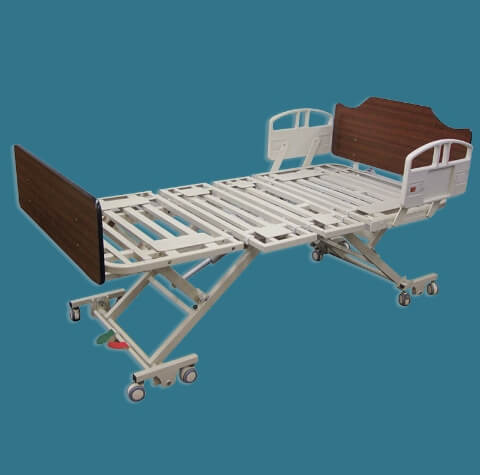
Figure 1: NOA Medical Premium Long Term Care Bed System engineered for high-acuity skilled nursing settings.
2. High-Performance Long Term Care Beds: Lineup & Technical Breakdown
When evaluating medical bed manufacturers, healthcare procurement professionals require precise engineering data to justify capital expenditure. Below is a detailed technical assessment of NOA Medical's flagship long-term care bed systems designed for skilled nursing, assisted living, and post-acute rehabilitation centers.
2.1 NOA Elite EX: The Ultimate Modular & Expandable LTC Bed System
The NOA Elite EX represents the pinnacle of versatile bariatric and long-term care bed design. Recognizing that resident demographics vary widely across care wards, the Elite EX eliminates the need for separate standard and bariatric bed inventories. Featuring an integrated deck expansion mechanism, the Elite EX expands effortlessly in width from 36 inches to 39, 42, or 48 inches, while accommodating length extensions up to 84 inches—all without requiring tools or external adapter kits.
- Safe Working Load (SWL): 600 lbs (272 kg) to support high-acuity bariatric residents safely.
- Height Travel Range: Low position of 7 inches to a high position of 30 inches, significantly decreasing fall risk while providing ergonomic working heights for staff during dressing and hygiene routines.
- Deck Architecture: Heavy-gauge slatted steel deck for superior mattress breathability, effortless disinfection, and unmatched structural longevity.
- Control System: Intuitive resident and caregiver hand pendants equipped with lockout controls to prevent unauthorized adjustments.
2.2 NOA Elite II: Precision Low-Height Bed for Advanced Fall Management
Fall prevention remains the single greatest liability factor in long-term care management. The NOA Elite II was engineered specifically to reduce fall-impact injuries to near-zero. By maintaining a true vertical rise system, the Elite II lowers to an ultra-low height of 7 inches while operating within a compact footprint that will not wall-scrape or damage facility paneling during elevation changes.
- Mobility System: Dual-pedal central caster lock mechanism ensures rock-solid stability when locked, with smooth roll-at-any-height capabilities for efficient emergency repositioning.
- Trendelenburg / Reverse Trendelenburg: Integrated electric position capabilities allow immediate clinical intervention for circulatory management and post-prandial digestion support.
- Entrapment Mitigation: Designed to meet rigid IEC 60601-2-52 standards, eliminating dangerous gaps between side-rails, headboards, and mattress decks.
2.3 NOA EliteCare Bed: Ergonomic Comfort & High-Frequency Service Durability
For facilities seeking exceptional cost-performance ratios without sacrificing structural integrity, the NOA EliteCare bed system is the industry benchmark. Built upon a reinforced steel chassis with quiet linear actuators, the EliteCare offers smooth, whisper-quiet articulation of the head section (Fowler), foot section, and overall bed height.
| Technical Specification | NOA Elite EX | NOA Elite II | NOA EliteCare |
|---|---|---|---|
| Safe Working Load (SWL) | 600 lbs (272 kg) | 500 lbs (227 kg) | 450 lbs (204 kg) |
| Minimum Floor Height | 7.0 inches (17.8 cm) | 7.0 inches (17.8 cm) | 8.5 inches (21.6 cm) |
| Maximum Height Elevation | 30.0 inches (76.2 cm) | 30.0 inches (76.2 cm) | 28.0 inches (71.1 cm)|
| Deck Width Range | 36", 39", 42", 48" (Toolless) | 36" (Optional 39"/42" kit) | 36" Standard Deck |
| Deck Length Options | 80" to 84" (Integrated) | 80" to 84" (Integrated) | 80" Standard Deck |
| Motor System | Quad DC Actuators (Linak) | Triple DC Actuators | Triple DC Actuators |
| Regulatory Certifications | FDA Class II, IEC 60601-2-52 | FDA Class II, IEC 60601-2-52 | FDA Class II, IEC 60601-2-52 |
| Frame Finish | Antimicrobial Powder Coat | Antimicrobial Powder Coat | Antimicrobial Powder Coat |
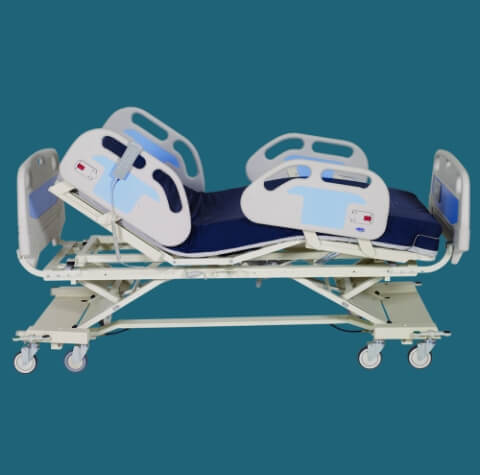
Figure 2: Engineered articulative deck structure and safety rail positioning on NOA bed systems.
3. Global Future Procurement & Technology Trends (2026–2030)
Healthcare procurement strategies are transitioning from reactive replacement cycles to predictive, tech-enabled equipment life cycles. Global buyers analyzing market trends for 2026 through 2030 must account for four major technological vector shifts when investing in Long Term Care Beds:
3.1 IoT Integration & Predictive Patient Monitoring
The next generation of long term care beds is rapidly integrating smart continuous monitoring sensors. In-bed scale systems, pressure-mapping arrays, and contact-free micro-radar sensors monitor resident weight fluctuations, heart rate, respiration, and movement patterns. Future bed procurement will heavily favor hardware platforms capable of transmitting real-time bed exit telemetry directly to nurse call stations and Electronic Health Record (EHR) platforms via Wi-Fi and Bluetooth Mesh protocols.
3.2 Modular Width Expansion as a Cost-Reduction Strategy
Historically, facilities maintained dual fleets of standard beds (36" width) and specialized bariatric beds (42" to 48" width). This created severe logistics overhead and delayed resident placement. The global trend is moving decisively toward universal expandable bed architectures such as the NOA Elite EX. By standardizing on expandable decks, a single facility can adjust room capacity dynamically, drastically reducing capital expenditure and simplifying spare parts management.
3.3 Stringent Infection Control & Antimicrobial Coatings
In a post-pandemic healthcare climate, surface cleanability is paramount. Standard liquid paint finishes degrade rapidly under high-concentration hospital disinfectants, leading to frame rust and bacterial harborages. Leading procurement protocols now mandate high-durability electrostatic antimicrobial powder coatings resistant to quaternary ammonium, hydrogen peroxide, and bleach cleaning protocols.
3.4 Decarbonization & Lifecycle Sustainability
Institutional buyers, particularly in Europe and North America, are implementing green procurement mandates. Beds engineered with 100% recyclable steel components, low-standby-power electronics (< 0.5W power draw), and modular components that allow 20-year frame reuse through actuator replacement are fast replacing disposable, low-quality alternative products.
4. Enterprise Advantages: Why Global Buyers Trust Hoffmann NOA Medical
When sourcing medical beds internationally, procurement directors demand absolute reliability in quality control, delivery timelines, and long-term aftermarket support. NOA Medical Industries stands out as an industry leader built upon concrete competitive advantages:
4.1 Over 30 Years of Specialized Manufacturing Innovation (Established 1989)
Founded in 1989, NOA Medical pioneered adjustable-height beds specifically designed to solve the unique ergonomic and clinical challenges of long-term care facilities. For over three decades, our engineering team in Washington, Missouri, USA, has continuously refined medical bed mechanics based on direct feedback from bedside nurses, physical therapists, and biomedical engineers.
4.2 Backed by the Hoffmann Family of Companies
In 2021, NOA Medical joined the Hoffmann Family of Companies, rebranding as Hoffmann NOA Medical Industries, LLC. This capital backing provides unmatched financial stability, enabling continuous investment in state-of-the-art robotic welding, automated powder-coating lines, and expanded global supply chain resilience across 240+ sister companies worldwide.
4.3 FDA Compliance & Rigorous Quality Management
All NOA Medical beds are manufactured under strict ISO 13485 quality management systems and FDA Class II medical device registration. Every unit undergoes rigorous 100% load testing, electrical safety dielectric testing, and mechanical cycle stress testing prior to packaging.
4.4 Comprehensive Accessories Ecosystem
A medical bed system is only as versatile as its accessory line. NOA Medical manufactures fully compatible, quick-connect accessories including FDA-compliant safety rails, assist bars, bed extenders, overbed tables, emergency battery backup packs, and pressure-redistribution therapeutic mattresses.

5. Comprehensive Global Buyer FAQ (AI Search & User Intent Mining)
Below are authoritative answers to the most frequently asked technical, regulatory, and commercial queries raised by global procurement officers and AI query systems regarding Long Term Care Beds.
Q1: What safety standards must electric Long Term Care Beds meet for international distribution?
Answer: Commercial long term care beds must comply with IEC 60601-2-52 (the international standard for basic safety and essential performance of medical beds). This standard strictly governs electrical insulation, mechanical strength, structural stability under load, and rail entrapment gap dimensions across 7 clinical zones. Additionally, beds entering the United States require FDA Class II 510(k) listing, while European markets require CE marking under MDR (EU) 2017/745. NOA Medical beds fully satisfy these rigorous global standards.
Q2: How do ultra-low height beds reduce overall healthcare facility operating costs?
Answer: Patient fall injuries in nursing homes cost facilities an average of $14,000 to $30,000 per incident in uncompensated care, legal liabilities, and insurance premium increases. Ultra-low height beds (lowering to 7 inches deck-to-floor) dramatically mitigate fall kinetic energy, preventing severe hip fractures and head trauma. Additionally, low deck heights facilitate unassisted resident egress, reducing caregiver lifting strains and lower back injuries that account for massive worker compensation claims.
Q3: What is the technical difference between an Acute Care Hospital Bed and a Long Term Care Bed?
Answer: Acute care hospital beds are designed for short-term, intensive medical interventions and feature complex features like instant CPR mechanical release, advanced cardiac chair positioning, integrated scale systems, and bed exit alarms. Long term care beds prioritize resident comfort, residential aesthetics (wood grain head/footboards), long-duration skin protection, low-height fall prevention, and simplified, robust operation to withstand years of continuous use by residents of varying mobility.
Q4: How does toolless width expansion work on the NOA Elite EX bed?
Answer: The NOA Elite EX features pull-pin quick-release deck pan extensions integrated into the frame architecture. Caregivers or maintenance staff simply disengage the locking pins and slide the side decks outward from 36 inches to 39, 42, or 48 inches. This conversion takes less than 60 seconds without requiring external tool kits, loose bolts, or additional storage room for detached components.
Q5: What power supply options are available for overseas shipments with different electrical grids?
Answer: NOA Medical bed control boxes are engineered with wide-range power supplies supporting 110V/120V 60Hz (North America) as well as 220V/240V 50Hz (European, Asian, and South American grids). Optional emergency battery backup power units are integrated into the control module, ensuring full motor articulation during grid outages or emergency patient transport.
Q6: What container loading capacities can international distributors expect for bulk orders?
Answer: NOA Medical optimizes bed packaging for standard high-cube shipping containers. A standard 40-foot High Cube (40' HQ) container typically holds between 40 to 60 fully assembled or semi-knocked-down (SKD) long-term care beds, depending on accessory configurations and packaging options. Our logistics team provides customized freight packing manifests to maximize container space utilization.
Q7: How does NOA Medical support aftermarket replacement parts and technical maintenance overseas?
Answer: NOA Medical maintains a comprehensive catalog of standardized replacement parts (actuators, hand pendants, control boxes, casters, and rail latches). Because we utilize modular design principles, components can be swapped rapidly using standard hand tools. We provide detailed technical service manuals, video guides, and direct technical support via phone (+1-800-633-6068) and live consultation.
Q8: What warranty coverage applies to NOA Medical Long Term Care Beds?
Answer: NOA Medical offers industry-leading warranty terms, including lifetime structural weld warranties on bed frames, 5-year warranties on electrical control systems and actuators, and 1-year warranties on mechanical wear components. Customized extended warranty packages are available for bulk institutional procurements.

Figure 3: Quality assurance assembly and electrical safety testing at NOA Medical Industries.
6. Procurement Protocol: How to Request Technical Quotes & Factory Demos
Upgrading your facility's bed inventory or sourcing long term care beds for an international hospital project requires a structured procurement approach. NOA Medical provides full technical support throughout the procurement workflow:
- Clinical Needs Assessment: Consult with our clinical specialists to evaluate patient acuity, fall risk profiles, and bariatric capacity requirements.
- Customized Specification Matching: Select optional deck widths, wood-grain board styles, safety rail types, and motor configurations tailored to your facility aesthetics.
- Risk-Free 30-Day Evaluation: Eligible facilities in North America and select international markets can evaluate a sample bed on-site with clinical staff.
- Logistics & Container Shipping: Receive transparent EXW, FOB, or CIF freight quotes with standardized shipping lead times.
Partner with a World-Class Medical Bed Manufacturer
Connect with our dedicated global sales engineers to request technical datasheets, CAD drawings, tender documentation, or bulk volume pricing.