Healthcare & Industry Insights

Medical Bed Innovations & Caregiver Resources

Explore expert articles, clinical guides, safety standards, and product updates from NOA Medical Industries.

0%

When people hear “Skilled Nursing Home Beds,” they may picture an available mattress in a residential facility. In practice, the term means much more. A skilled nursing bed usually represents licensed capacity, clinical supervision, medical equipment, and ongoing support for residents with complex needs. These residents may require wound care, rehabilitation, medication management, or assistance after hospitalization. The bed itself is only one part of the care environment.

Sourcing these beds requires careful research and direct verification. Families, hospitals, and care coordinators should compare licensed facilities, current availability, staffing levels, therapy services, and specialty programs. A facility directory can help, but it should not be the final answer. Speak with the admissions director. Ask about response times, nurse coverage, infection-prevention practices, and emergency procedures. A site visit can reveal practical details, such as call-light access, hallway cleanliness, meal service, and whether staff communicate clearly.

Availability changes quickly.

Reliable decisions also require checking inspection records, ownership information, pricing, payer requirements, and admission criteria. Regulations differ by location, so official health department sources and qualified professionals should guide the process. Even then, information may be incomplete or outdated. That is an uncomfortable reality. The “best” skilled nursing option is not universal; it depends on medical needs, family support, budget, location, and resident preferences. This guide explains how to evaluate these factors and source Skilled Nursing Home Beds with greater confidence, while recognizing that careful judgment remains essential.
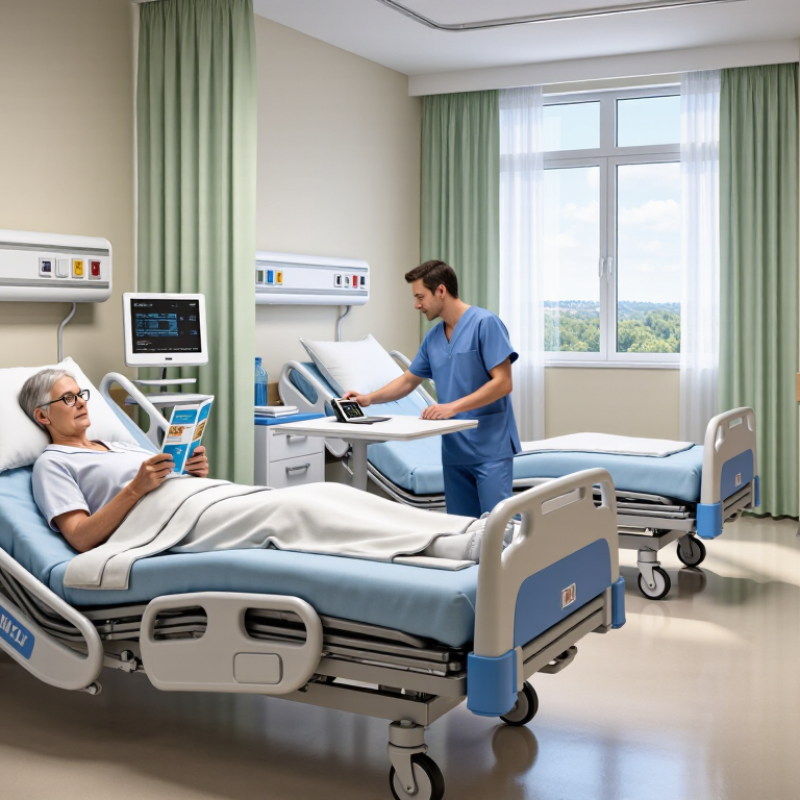
What Are Skilled Nursing Home Beds and How to Source Them?

What Skilled Nursing Home Beds Are and Who Needs Them

What Are Skilled Nursing Home Beds and How to Source Them?

A skilled nursing home bed is a medical bed designed for residents needing continuous care. Unlike a household bed, it supports safer repositioning, transfers, and clinical observation. Most models adjust the backrest, leg section, and overall height with electric controls. Some include side rails, locking casters, and pressure-redistributing mattress options. Fit matters. A bed should match the resident’s mobility, weight, skin condition, and care plan. It must also leave enough room for staff to work safely.

Residents recovering from surgery, stroke, fractures, or serious illness may need these beds temporarily. People with limited movement, advanced neurological conditions, or ongoing wound care may need them longer. Skilled nursing beds can help reduce strain during transfers and allow caregivers to position residents more precisely. However, side rails are not automatically safer for everyone. A clinician should assess fall risk, cognition, and the resident’s ability to exit the bed.

When sourcing a bed, ask for its safe working load, height range, mattress compatibility, warranty, and cleaning guidance. Check that controls are easy to reach and that emergency lowering works properly. Facility staff should inspect motors, cables, brakes, and rails before regular use. In practice, the most expensive option is not always the best fit. A bed may look excellent but still frustrate caregivers or fail to suit a narrow room. Measurements and hands-on testing deserve more attention than attractive specifications.

How Skilled Nursing Beds Differ from Other Care Options

Skilled nursing home beds are reserved for residents who need ongoing clinical care, rehabilitation, or close monitoring. They are not simply standard beds in a larger room. A skilled nursing setting usually includes registered nurses, practical nurses, therapists, and care aides. Residents may need wound care, medication management, mobility support, or recovery after surgery. Care plans should be reviewed by qualified professionals and adjusted as needs change.

The difference becomes clearer when compared with other options. Assisted living usually supports daily activities, such as bathing, dressing, and meals, but offers less intensive clinical care. Home care provides services in a person’s residence, while inpatient rehabilitation often focuses on short-term recovery after an injury or procedure. Skilled nursing can support longer recovery and complex conditions. The boundaries are not always neat. A resident’s needs may change quickly. A bed alone does not create skilled care.

Tips: When sourcing skilled nursing beds, ask the facility about clinical requirements, resident transfer needs, weight capacity, side-rail policies, mattress compatibility, and maintenance support. Confirm that the supplier provides clear specifications and service records. Check how easily staff can adjust height and positioning. Test the controls. A low purchase price may hide repair costs or poor usability. Speak with nurses and therapists before ordering, because their daily experience often reveals practical problems that product descriptions miss. Decisions should also reflect current safety guidance and local care regulations.

Key Features and Standards of Skilled Nursing Home Beds

What Are Skilled Nursing Home Beds and How to Source Them?

A skilled nursing home bed supports repositioning, transfers, wound care, and safer daily mobility. Its key features include electric height adjustment, a firm mattress platform, locking casters, and clearly visible controls. Split side rails can assist movement, but they should not create entrapment risks. The bed must also fit compatible pressure-redistributing mattresses. According to the CDC’s 2022 National Study of Long-Term Care Providers, nursing homes served about 1.2 million residents in the United States. That scale makes consistent bed safety essential, not optional.

Look for a documented safe working load, emergency lowering, battery backup, and washable surfaces. Check pinch points, rail gaps, cable protection, and the lowest bed height. IEC 60601-2-52 provides recognized safety requirements for medical beds and adjustable bed systems. In the United States, CMS regulations under 42 CFR §483.25(d) require facilities to reduce avoidable accident risks. CMS Care Compare data from 2024 also listed more than 15,000 Medicare-certified nursing homes, showing why procurement records need clear, repeatable standards. Ask suppliers for test reports, instructions, warranty terms, replacement-part availability, and staff training materials. Do not rely on photographs alone.

In practice, sourcing should begin with resident needs and room measurements. A wide frame may block a bathroom route. A powerful motor may increase noise. I would also test the brake with a loaded bed, because brochures rarely show floor conditions. Some specifications still leave uncertainty around real-world cleaning, caregiver reach, and emergency access. A pilot evaluation with nurses and maintenance staff can expose those gaps before larger purchasing decisions.

How to Assess Facility Capacity, Quality, and Availability

Skilled nursing home beds are licensed spaces for residents who need 24-hour nursing care, rehabilitation, or support with daily activities.

Sourcing one requires more than checking an online vacancy number. A facility may list ten beds, yet only three may be suitable for a resident needing wound care, mobility support, or memory supervision.

Ask what “available” means today.

Assess capacity through recent occupancy figures, staffing levels, and room types. Request the nurse-to-resident ratio for each shift, not only the daily average.

Check whether registered nurses, licensed nurses, and aides are regularly present overnight. Inspect corridors, bathrooms, therapy areas, and emergency equipment during a scheduled visit.

Notice odors, call-bell response, and whether residents appear clean, engaged, and comfortable.

Small details matter.

Quality requires documented evidence.

Review inspection reports, care-planning procedures, infection-control records, complaint histories, and rehabilitation outcomes.

Ask how quickly the facility updates families after falls or medication changes. Speak with the admissions coordinator and, if possible, current families.

Their answers may conflict.

That is useful.

Capacity alone does not prove readiness.

Availability can change within hours. Confirm the bed in writing, including room location, clinical requirements, admission date, fees, and required records.

Ask about waiting lists and temporary placements. A rushed decision can overlook staffing pressure or unsuitable care routines.

I would also revisit the facility at a different time of day.

Care quality is not always consistent.

Steps for Sourcing and Selecting Skilled Nursing Home Beds

Skilled nursing home beds support repositioning, transfers, pressure relief, and safer daily care. Sourcing should begin with resident needs, not a catalog photograph. Record mobility limits, fall risk, body weight, mattress requirements, and room dimensions. A bed for a short-term rehabilitation resident may need different functions than one used for long-term care.

MedPAC reported nursing facility occupancy at about 77% in 2022, compared with 85% in 2019. That gap makes flexible equipment planning important. Choose beds with adjustable height, reliable locking casters, emergency lowering, and a verified safe working load. Check whether the frame accepts the intended mattress and accessories. Small mismatches create large problems.

Ask suppliers for technical files, warranty terms, maintenance intervals, spare-part availability, and delivery timelines. Confirm electrical safety documentation and cleaning instructions. Review product testing against recognized medical-device standards. CMS Care Compare data can help evaluate a facility’s staffing and inspection context before purchasing equipment for a specific location. Do not rely on sales claims alone.

Test one sample in an actual resident room. Measure doorway clearance, turning space, control visibility, and noise during adjustment. Ask caregivers to operate it while wearing gloves. A bed may look excellent on paper but feel awkward during a night transfer. I would also calculate total cost over five years, including service and replacement parts. The cheapest quotation can become expensive quickly. My own caution is simple: specifications are useful, but real workflow evidence is still incomplete. Keep written acceptance criteria before signing.

FAQS

Who typically needs a skilled nursing bed?

Residents needing ongoing clinical care, rehabilitation, wound care, medication support, or close monitoring may need one.

How does skilled nursing differ from assisted living?

Assisted living mainly supports bathing, dressing, meals, and other daily activities.

What information should be recorded before choosing a bed?

Record mobility limits, fall risk, body weight, mattress needs, room dimensions, and transfer requirements.

Which bed features deserve careful attention?

Look for adjustable height, locking casters, emergency lowering, safe working load, and compatible mattresses.

How can staff check whether a bed works in practice?

Place one sample in an actual resident room.

Why should nurses and therapists help select the bed?

They understand daily transfers, repositioning, pressure relief, and awkward controls better than product descriptions.

What should be requested from the supplier?

Request technical files, warranty terms, maintenance intervals, spare-part details, delivery timelines, and cleaning instructions.

Is the lowest purchase price usually the best choice?

Not always. Repair costs, replacement parts, poor usability, and difficult maintenance can raise the five-year cost.

Why must mattress compatibility be checked?

An unsuitable mattress may affect pressure relief, positioning, transfers, and safe bed operation.

What is an important limitation when selecting these beds?

A checklist may miss real workflow problems, and specifications cannot fully predict nighttime use.

Conclusion

Skilled Nursing Home Beds are designed for residents who need ongoing medical supervision, rehabilitation, or assistance with daily activities that cannot be safely managed at home or in a standard assisted living setting. This article explains who may benefit from skilled nursing care and how these beds differ from hospital beds, residential care, and other support options. It also reviews important features such as adjustability, pressure relief, safety rails, accessibility, durability, and hygiene standards.

To source the right Skilled Nursing Home Beds, facilities should first evaluate resident needs, available space, staffing levels, and care requirements. They should then compare bed capacity, equipment quality, maintenance procedures, availability, delivery schedules, and total costs. Reviewing facility credentials, care policies, inspection records, and user feedback can help confirm whether the setting provides safe and appropriate support. A structured selection process ensures that beds match both clinical needs and long-term operational requirements.

Seraphina

Seraphina

Seraphina is a highly accomplished marketing professional dedicated to helping businesses communicate their value with clarity, credibility, and purpose. With a deep understanding of the company’s products, services, and customer needs, she develops thoughtful strategies that connect practical......