Healthcare & Industry Insights

Medical Bed Innovations & Caregiver Resources

Explore expert articles, clinical guides, safety standards, and product updates from NOA Medical Industries.

0%

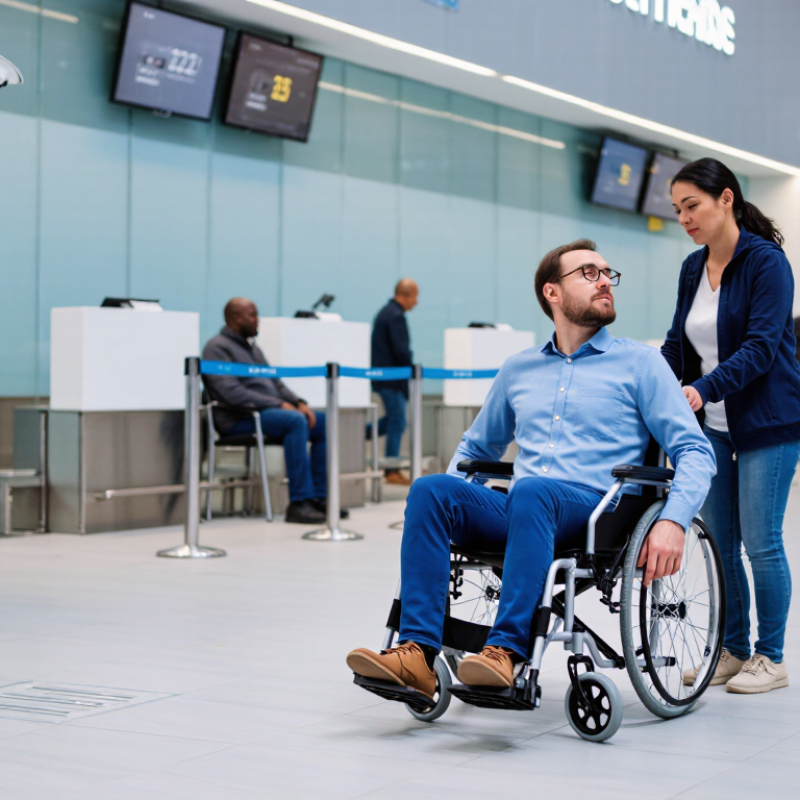
A Medical Travel Chair can make a difficult journey feel more manageable. It may help a traveler move through an airport, clinic, or hotel with less strain. The right choice depends on the person, not just the chair’s weight or price. Consider seat width, posture support, brakes, turning space, and how easily the chair folds. Picture a crowded terminal, a narrow taxi trunk, and a long wait beside a check-in desk. Small details matter there.

Wheelchair-engineering expert Dr. Rory Cooper’s work emphasizes how mobility supports participation. A paraphrased takeaway—not a verified direct quotation—is: “A travel chair should support the journey, not add another obstacle.” That principle is useful, but it cannot replace individual assessment. A chair that works well on smooth floors may feel unstable on uneven pavement. And a lightweight frame may be harder to manage if its controls are unfamiliar. There is no perfect model for every trip.

Before choosing, test the chair if possible. Check whether the traveler can sit comfortably for the expected journey time. Confirm that caregivers can fold, lift, and secure it without awkward effort. Ask about battery range and charging needs for powered models. Also consider what happens when plans change. A missed connection can turn a short transfer into hours of sitting. The best choice is not always the newest or most compact. It is the one that fits the traveler’s body, routine, and real travel conditions—with room to reconsider if those needs change.
Why Choose a Medical Travel Chair?

What Is a Medical Travel Chair?

Why Choose a Medical Travel Chair?

What Is a Medical Travel Chair?

A medical travel chair is a portable mobility aid designed to help someone sit or move during outings and journeys. The term is not a single clinical category. Features vary, so check the chair’s intended use, weight capacity, seat dimensions, and folding size before choosing one. Some models are pushed by a companion; others are designed for independent use. Small details matter, like whether folded handles fit in a car trunk.

The World Health Organization’s 2022 Global Report on Assistive Technology estimates that 2.5 billion people need one or more assistive products, including mobility aids. Nearly one billion lack access to them.

These global figures describe broad needs, not demand for travel chairs specifically. They do show why fit and access deserve attention. A chair that is hard to lift or uncomfortable after an hour may not help much.

For travel, compare the chair with the actual route: airport queues, narrow doorways, uneven pavement, or a long hotel corridor. A lighter frame can be easier to carry, but sometimes means a firmer seat. That trade-off is easy to miss. Ask a qualified clinician or mobility professional about posture, transfer needs, and safe use, especially when health or balance needs are changing.

How Its Design Supports Comfort and Mobility

Why Choose a Medical Travel Chair?

A medical travel chair is designed to make short trips and transfers easier without sacrificing everyday comfort. Its compact frame can help with narrow doorways, car loading, and crowded waiting rooms. Yet portability alone is not enough. Seat width, back support, armrests, and footrests affect how comfortably someone can sit and transfer.

Small details matter. Check that footrests move clear of the way and that brakes are easy to reach. A chair that feels manageable on a smooth clinic floor may behave differently over uneven pavement.

Fit matters, too. A cushion and supportive back may reduce discomfort during a journey, but comfort varies with body shape and health needs.

The WHO–UNICEF 2022 Global Report on Assistive Technology estimates that 2.5 billion people need assistive products. Nearly one billion lack access.

These figures cover assistive products broadly, not travel chairs alone, but they show why practical mobility equipment matters. Before choosing, consider who will push the chair, how it folds, and whether it fits the car trunk. I would not assume one design suits every trip. A brief trial can reveal issues that a product description misses.

Who Can Benefit From Using One

Why Choose a Medical Travel Chair?
Who Can Benefit From Using One

A medical travel chair can help people who cannot comfortably walk long distances. CDC’s Disability and Health Data System reports that about one in seven U.S. adults has a mobility disability. This can include difficulty navigating stairs, long hospital corridors, or airport queues. Short distances can still feel exhausting. Older adults, people with chronic pain or balance problems, and patients recovering from surgery may value a seated option. For some, the need is temporary.

The WHO’s 2022 global report estimates that 1.3 billion people experience significant disability worldwide. This is not a count of chair users, but it shows how widely access needs can arise. Caregivers may also benefit when someone needs help moving between a car, clinic entrance, and waiting room. Still, a chair is not right for everyone. Fit, transfer ability, and caregiver strength matter. A chair should not be treated as fall prevention.

Tips: Ask a clinician or rehabilitation professional to check fit and transfer safety. Measure doorways and storage space before traveling. Test the brakes on a level surface. Small details matter.

Why Choose a Medical Travel Chair? — Who Can Benefit From Using One
Who May Benefit How a Travel Chair May Help Common Situations Important Considerations
People with limited walking endurance Provides a seated option when walking for extended periods causes fatigue, pain, or shortness of breath. Large venues, sightseeing, hospital campuses, and long outings. Choose a chair with an appropriate seat width and weight capacity. It may complement, rather than replace, other mobility aids.
Older adults who tire easily Can reduce the distance a person needs to walk and offer a place to rest during an outing. Shopping trips, appointments, and travel through busy public spaces. Consider posture, comfort, brakes, footrests, and whether a companion is available to assist.
People recovering from surgery or illness May help conserve energy while a person gradually resumes daily activities, when consistent with their care plan. Follow-up visits, short errands, or travel during recovery. Follow the clinician’s guidance on walking, weight-bearing, transfers, and sitting time. Recovery needs vary.
People with balance or mobility limitations Offers a seated way to get around when standing or walking feels difficult or unsafe. Uneven routes, crowded locations, or outings where accessible seating may be limited. A travel chair does not prevent every fall. Check stability, use the brakes when stationary, and get assistance with transfers if needed.
People with fluctuating symptoms Provides flexibility on days when pain, fatigue, weakness, or other symptoms make walking harder. Long trips where mobility needs may change during the day. Consider whether the chair’s size, support, and adjustability suit the user’s needs throughout the outing.
Caregivers accompanying someone who needs mobility support Can make it easier to assist with movement over longer distances, depending on the chair design and the user’s needs. Medical appointments, family outings, and travel between transport areas. Check the chair’s folded dimensions, total weight, lifting requirements, and the caregiver’s ability to push and transport it safely.

Note: Suitability depends on the individual. A travel chair is not a substitute for professional mobility or medical advice; consult a healthcare professional when unsure about safe use.

Key Advantages for Travel and Daily Activities

A medical travel chair can make everyday movement less tiring, especially when walking long distances is difficult. At an airport, it may help someone move between check-in and the gate without using all their energy before boarding. A lighter, foldable design can also fit more easily into a car trunk or a small storage area. Check the chair’s folded dimensions before traveling; “compact” can mean different things.

Small details matter. Padded seating may feel better during a long wait, while adjustable footrests can offer more support for some users. Locking brakes are useful during transfers, but the chair still needs to suit the person’s size, balance, and mobility. A caregiver should try steering and folding it before a busy travel day. Practice helps.

At home, the same chair may be useful for clinic visits, shopping, or moving through a large building. It can reduce the effort of getting from a parking space to a destination. However, it will not suit every route: narrow doorways, uneven pavement, and crowded rooms can make travel harder. Measuring key spaces and considering who will push the chair can prevent avoidable frustration. A little planning helps, though it cannot make every trip effortless.

Factors to Consider When Choosing a Medical Travel Chair

Why Choose a Medical Travel Chair?

Factors to Consider When Choosing a Medical Travel Chair

Choosing a medical travel chair starts with the person who will use it, not the suitcase it fits beside. Check seat width and depth, back support, footrest position, and whether transfers feel safe. A chair that is too wide may be hard to maneuver through a café aisle. Fit matters. WHO and UNICEF’s 2022 Global Report on Assistive Technology estimates that 2.5 billion people need one or more assistive products, while nearly one billion lack access. That figure highlights the scale of mobility needs; it does not tell you which chair will fit a specific person.

Next, compare folded size, total weight, brakes, wheel type, and the effort needed to push or lift the chair. Ask a clinician or qualified seating professional about posture and pressure concerns, especially for longer outings. ISO 7176 covers wheelchair safety and performance testing, so ask whether relevant test information is available. A lightweight chair may be easier to load, yet tiring to push over uneven paving. Small details matter.

Try the chair on the route you expect to travel: a doorway, curb cut, or station platform can reveal practical problems. Check how securely footrests attach and whether the brakes are easy to reach. For air travel, confirm handling and storage arrangements with the carrier before departure. I would not assume a compact chair suits every trip; sometimes a sturdier model is the more comfortable choice. A short trial can help expose trade-offs before travel day.

FAQS

What is a medical travel chair?

It is a portable mobility aid for sitting or moving during outings. Some models need a companion to push them; others support independent use.

Who might benefit from one?

It may help someone who finds long walks tiring, such as between an airport check-in desk and a gate. It will not suit every person or route.

What should I check before choosing a chair?

Compare seat width, depth, back support, footrest position, weight capacity, and folding size. Fit matters.

Is a lighter chair always better for travel?

Not necessarily. A lighter frame may be easier to lift into a car trunk, but it can feel firmer or harder to push over uneven paving.

Which features can help during a long outing?

Padded seating may feel more comfortable during a long wait. Adjustable footrests and reachable locking brakes may also help, depending on the user’s needs.

How can I tell whether a chair will work on my usual route?

Try it through a doorway or café aisle, and consider curbs, station platforms, and crowded rooms. A short trial can reveal awkward turns.

Should a clinician or seating professional be involved?

Ask a qualified professional about posture, transfers, and pressure concerns, especially if needs are changing. A chair that looks right may still feel wrong.

What should I check before flying with a travel chair?

Confirm handling and storage arrangements with the carrier before departure. I might assume a compact chair is enough, but that could be a mistake.

Conclusion

A Medical Travel Chair is a lightweight mobility chair designed to make getting around easier at home and while traveling. Its supportive seat, practical frame, and easy-to-maneuver wheels can help users feel more comfortable during outings and reduce the effort required from companions. Depending on the design, features such as foldability, adjustable footrests, and secure brakes may also make the chair more convenient to transport and use.

It may benefit people who have difficulty walking long distances, tire easily, or need extra support during everyday activities. By helping users navigate airports, appointments, shopping trips, and other destinations, a Medical Travel Chair can support greater independence and make travel less stressful. When choosing one, consider comfort, weight, folded size, portability, stability, user capacity, and the types of surfaces and journeys it will be used for. The right choice should suit the user’s needs and fit comfortably into their daily routine.

Amelia

Amelia

Amelia is a highly skilled marketing professional with a strong understanding of the company’s products, customers, and industry landscape. Through years of experience in strategic communication, market research, and content development, she transforms complex product information into clear,......