Featured CE-Certified Patient Transfer & ICU Bed Systems
Direct factory supply of high-acuity medical beds engineered with anti-microbial ABS decks, precision electric actuators, and ergonomic patient transfer mechanics.
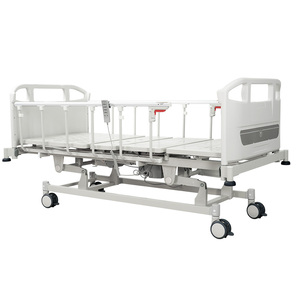
YXZ-C3(y302) 3-Function ICU Electric Hospital Bed
- Full-Electric Height & Backrest Controls
- High-Impact ABS Side Rails & Headboard
- ISO & CE Certified Construction
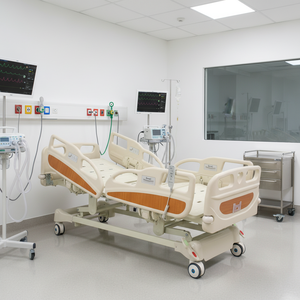
Clinical Nursing Medical Bed 3/5/7 Function Electric Bed
- Trendelenburg & Reverse Position
- Integrated Lateral Tilt Assistance
- Central Locking Castor Mechanism
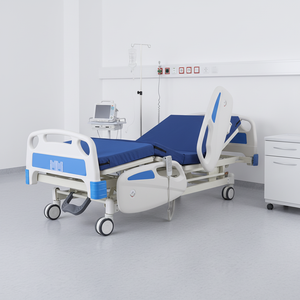
Height Adjustable Luxury Three Function Electric Care Bed
- Ergonomic Patient Transfer Geometry
- Low-Noise Linear Drive System
- Smooth Positioning Hand Control
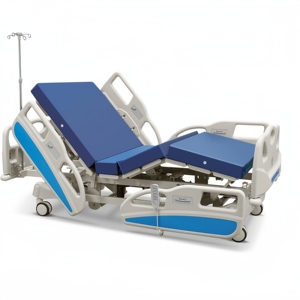
Cama Clinica 5-Function ICU Electric Bed With Mattress
- Complete Medical Mattress Included
- Dual CPR Emergency Lever Release
- High-Capacity Safe Working Load
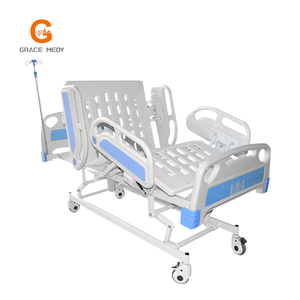
Multi-Function Manual & Electric Hospital Examination Bed
- Dual Manual Overdrive & Motorized
- Heavy-Duty Steel Chassis Frame
- CE Marked Examination Deck
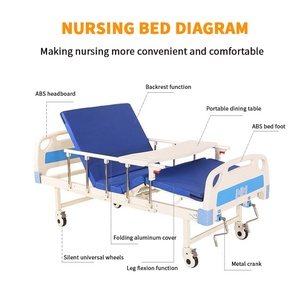
Hospital Patient Bed Two Crank Manual Backrest Adjustment
- Smooth Folding Crank System
- Anti-Corrosion Epoxy Coating
- Cost-Effective Clinical Solution
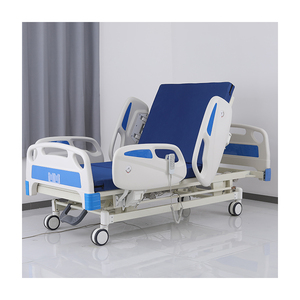
Chenhong CH-C8 Stainless Steel Double-Shaking Ward Bed
- 304 Stainless Steel Side Guardrails
- Class II CE Compliance Standards
- Ultra-Durable Structural Frame
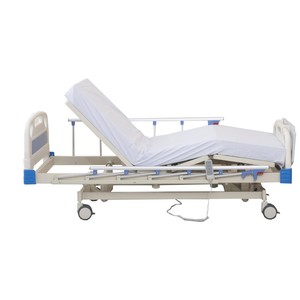
GRACEMED 3-Function Electronic Bed With L&K Motor
- Premium L&K Low-Noise Linear Actuators
- Full 1-Year Comprehensive Warranty
- Official CE Export Certification
Engineering Principles & Regulatory Benchmarks of CE Certified Patient Transfer Systems
In modern healthcare facility engineering, patient mobility, lateral transfer protocols, and emergency positioning represent critical operational nodes where patient safety and caregiver biomechanics intersect. Healthcare-acquired injuries among nursing staff—primarily Musculoskeletal Disorders (MSDs) resulting from manual patient repositioning—account for millions of dollars in annual lost-time compensation across international hospital networks. Consequently, selecting qualified CE Certified Patient Transfer Suppliers & Exporters is no longer merely a procurement task; it is a strategic enterprise risk mitigation policy.
Strategic Insight: The European Medical Device Regulation (MDR 2017/745) and global IEC 60601-2-52 standards dictate strict biomechanical safety boundaries, entrapment zone clearance, and electromagnetic compatibility for all powered medical patient beds and transfer stretchers.
CE certification indicates rigorous adherence to European Directive mandates for active medical devices. When hospital procurement directors, biomedical engineering heads, and ministry of health buyers evaluate patient transfer systems, they look for documented compliance under EN ISO 13485:2016 quality management frameworks alongside specific IEC 60601-2-52 requirements governing particular bed safety and performance.
Biomechanical Transfer Dynamics and Safe Patient Handling (SPHM)
Patient transfer equipment encompasses electric ICU beds, multi-function care beds, hydraulic transport stretchers, and convertible emergency transfer chairs. The core objective of these clinical instruments is to enable smooth elevation shifts (High-Low positioning ranging from 220mm to over 800mm), seamless Trendelenburg and Reverse Trendelenburg tilts, and effortless lateral sliding without subjecting the patient to shear forces or spinal misalignment.
Enterprise Strengths: Hoffmann NOA Medical Infrastructure & Global Exporter Credentials
Building upon over three decades of medical bed manufacturing innovation, Hoffmann NOA Medical Industries, LLC—backed by the globally recognized Hoffmann Family of Companies operating 240+ businesses worldwide—stands as a premier benchmark for hospital bed export excellence. Founded in 1989, NOA Medical pioneered adjustable-height long-term care and acute care beds engineered specifically to address eldercare ergonomics, bariatric support, and high-acuity ICU positioning.
Rigorous QA/QC & CE Validation
Every patient transfer bed undergo strict Factory Acceptance Testing (FAT), high-voltage electrical safety checks, and mechanical stress load testing to guarantee 100% reliability upon international delivery.
Advanced Metallurgical Precision
Formed using robotically welded Q235 cold-rolled steel tubing with eco-friendly anti-bacterial epoxy powder coating, resisting chemical corrosion and harsh hospital disinfectants.
Global Export & OEM Capability
Full ODM/OEM manufacturing services catering to international ministry tenders across North America, Europe, Latin America, the Middle East, and Asia-Pacific regions.
By maintaining total oversight over engineering, component sourcing (utilizing premium linear actuators from L&K, Linak, and Dewert), and structural testing, our facility ensures that exported equipment withstands the rigorous operational demands of 24/7 hospital wards and intensive care units.
Technical Specification Comparison: Patient Transfer Bed Architectures
The following comparative data visualization highlights the mechanical parameters across standard ward beds, multi-function electric ICU beds, and specialized expandable patient transfer platforms.
| Specification Parameter | 2-Crank Manual Ward Bed | 3-Function Electric Bed | 5/7-Function ICU Transfer Bed | Expandable Bariatric Bed |
|---|---|---|---|---|
| Safe Working Load (SWL) | 175 kg (385 lbs) | 250 kg (550 lbs) | 300 kg (660 lbs) | 450 kg (1000 lbs) |
| Linear Drive System | Manual Mechanical Cranks | L&K / Dewert Actuators | L&K / Linak IPX6 Actuators | Quad-Motor Heavy Actuators |
| Backrest Elevation Range | 0° – 75° (±5°) | 0° – 75° (±5°) | 0° – 75° (±2°) | 0° – 75° (±2°) |
| Knee-Rest Elevation Range | 0° – 45° (±5°) | 0° – 45° (±5°) | 0° – 45° (±2°) | 0° – 45° (±2°) |
| Trendelenburg / Reverse | N/A | N/A | 0° – 16° / 0° – 16° | 0° – 12° / 0° – 12° |
| Lateral Tilt Function | N/A | N/A | Optional ±15° Tilt | Integrated Assisted Turn |
| Emergency CPR Drop | Manual Handle Only | Electric Quick Button | Dual Manual & Electric CPR | Dual Manual & Electric CPR |
| CE MDR 2017/745 Class | Class I Medical Device | Class I / II Medical Device | Class IIa Active Device | Class IIa Active Device |
Global Procurement Trends in Healthcare Patient Transfer Equipment (2026–2032)
As global healthcare systems expand to accommodate aging populations and severe clinical staffing shortages, hospital procurement committees are fundamentally altering their equipment purchasing criteria. Future-ready hospital infrastructure demands patient transfer systems that actively reduce nurse workload, integrate into digital hospital networks (IoMT), and lower total cost of ownership (TCO).
1. IoT Smart Bed Telemetry Integration
Future tenders mandate embedded load-cell weight sensors and bed-exit movement alarms connected via Wi-Fi/Bluetooth directly to nurse call stations and Electronic Health Records (EHR).
2. Dynamic Width & Length Adaptability
Hospitals are replacing fixed-size frames with expandable decks (such as NOA Elite EX technology) that adjust seamlessly from 36 inches to 48 inches wide to support bariatric transfer without moving the patient.
3. Zero-Gap Seamless Side Railing
Strict European FDA & CE entrapment guidelines require full-length, zero-gap side guardrails that collapse smoothly below the mattress deck level for zero-clearance lateral patient sliding.
Furthermore, environmental, social, and governance (ESG) standards are influencing global medical tenders. Exporters who provide eco-friendly recyclable structural steel, lead-free powder coatings, and energy-efficient standby motor controllers will hold a competitive advantage in international public health procurements.
Next-Generation Technology Trends Shaping Patient Transfer & Recovery
Technological advancements in patient transfer equipment focus heavily on kinetic automation and intelligent bed ergonomics. Key developmental vectors currently being integrated into CE-certified patient beds include:
1. Continuous Lateral Rotation Therapy (CLRT) & Auto-Positioning
To prevent pulmonary complications and pressure ulcers (decubitus wounds) in bedridden ICU patients, advanced multi-function beds feature programmed gentle lateral tilting. The bed automatically rotates the patient laterally at specified angles (up to 15°–30°) at timed intervals, eliminating manual turning by caregivers.
2. Ultra-Low Riser Systems for Fall Prevention
Fall injuries during unassisted patient exit represent a significant liability in long-term care and acute recovery. Advanced engineering allows medical beds to lower to an ultra-low height of just 7 inches (18 cm) off the floor while maintaining the structural stability required to elevate up to 30 inches (76 cm) for ergonomic nurse examinations.
3. Precision Central Braking & Directional Steering Castors
High-speed emergency transfer requires precise maneuverability down crowded hospital corridors. Central locking systems engaged via a single pedal toggle four castors simultaneously, switching between total lock, free swivel, and dedicated directional steering mode.
Frequently Asked Questions for Global Medical Bed Buyers & Distributors
Clear authoritative answers to essential regulatory, operational, and shipping questions for healthcare procurement teams.
Request Complete Product Technical Specifications & Export Quotations
Partner directly with an established CE-certified medical bed exporter. Connect with our engineering and sales specialists to receive comprehensive product catalogs, CAD drawings, compliance certificates, and competitive tender pricing.
Get Catalog