Flagship Clinical Seating & Care Station Platforms
Directly manufactured under CE MDR (2017/745) and ISO 9001/13485 quality management systems. Engineered for blood sampling centers, chemotherapy infusion suites, dialysis units, and intensive care patient stabilization.
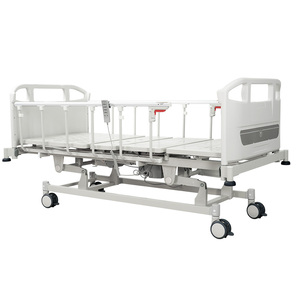
YXZ-C3(y302) 3-Function ICU Electric Hospital Bed Factory Medical Bed ABS/Steel/Metal Manual ICU Bed ISO Certified
- Fully motorized backrest, knee-gatch & elevation
- Heavy-gauge cold-rolled carbon steel chassis
- Seamless molded ABS containment panels
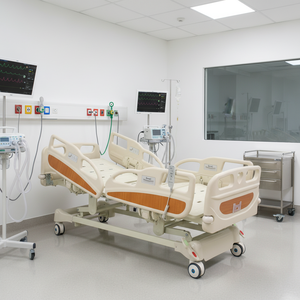
Hospital Furniture Patient Nursing Clinical Medical Bed 3/5/7 Function Electric Hospital ICU Bed
- Integrated Trendelenburg / Reverse-Trendelenburg
- Central braking system with 125mm castors
- Low-voltage medical actuators (IPX4 rating)
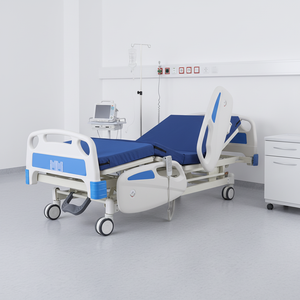
Height Adjustable Luxury Three Function Care Bed Ease of Movement and Positioning Electric Nursing Bed
- Ultra-low floor ingress for fall injury prevention
- Multi-axis phlebotomy support arm compatibility
- Ergonomic caregiver hand-pendant interface
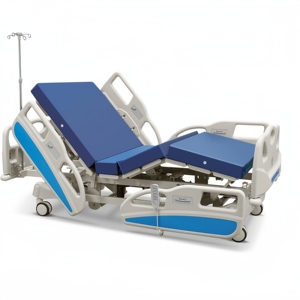
Cama Clinica Medical Patient Bed 5 Function ICU Electric Hospital Bed With Mattress
- High-density flame-retardant anti-decubitus core
- One-button cardiac chair and vascular tilt
- Reinforced collapsible aluminum safety side rails
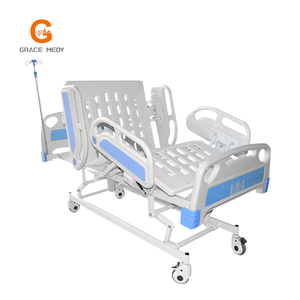
Multi Function Manual Hospital Electric Icu Bed Hospital Examination Bed Medical Equipment
- Dual-mode manual crank and electrical override
- Antimicrobial electrostatic powder coated frame
- Rapid conversion from chair to recovery bed
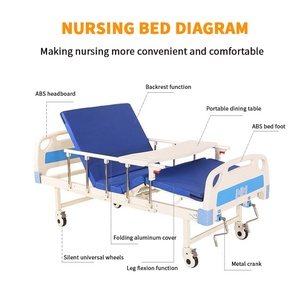
Hospital Patient Bed Two Crank Medical Bed Backrest Adjustment For Patient Recovery
- Retractable zero-backlash two-crank mechanical gear
- Reinforced tubular steel cross-braced structure
- Low-maintenance solution for high-throughput clinics
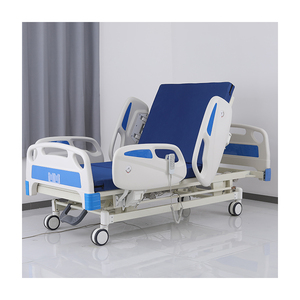
Chenhong CH-C8 Factory Supplied Double-Shaking Stainless Steel Class II Medical Beds for ICU & Hospital Wards
- High-grade 304 stainless steel end-board architecture
- Extreme corrosion resistance to clinical disinfectants
- Heavy-load stability exceeding ISO 60601-2-52 standard
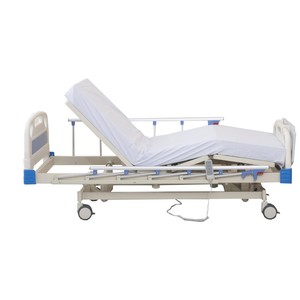
GRACEMED 3-Function Hospital Electronic Medical Bed With L&K Motor CE Certified 1-Year Warranty
- Ultra-quiet linear actuators with overload protection
- CE MDR certified electrical safety architecture
- Ergonomic multi-stage leg & backrest synchronization
The Engineering Architecture of CE-Certified Phlebotomy Seating
Modern phlebotomy, blood transfusion, and infusion procedures require a highly specialized balance of clinical ergonomics, patient comfort, biological safety, and instantaneous emergency positioning.
Clinical Kinematics & Venipuncture Precision
Venipuncture is among the most frequently executed invasive clinical procedures globally, with over 1.5 billion blood samples collected annually across North America and Europe. The biomechanics of blood collection demand that the patient's antecubital fossa be positioned at an optimal focal height (between 750 mm and 980 mm from the floor level) to minimize ergonomic strain on phlebotomists, who disproportionately suffer from work-related musculoskeletal disorders (WMSDs) of the lumbar spine and cervical regions.
Direct from specialized CE certified factories, high-performance phlebotomy chairs incorporate dual multi-axis adjustable armrests. These armrests feature ball-and-socket universal joints or gear-locking mechanisms that permit 360-degree rotation, forward/backward sliding of ±120 mm, and vertical height adjustments of up to 180 mm. This articulation stabilizes the donor's elbow, prevents sudden arm withdrawal during needle insertion, and allows micro-positioning for complex venous access in geriatric or pediatric patients.
Vasovagal Syncope Mitigation: The 12-Second Trendelenburg Rule
According to data published by the American Association of Blood Banks (AABB) and European blood transfusion services, vasovagal reactions (VVR) occur in approximately 1.5% to 3.8% of all whole-blood and apheresis collection sessions. Vasovagal syncope causes sudden bradycardia, arterial hypotension, and cerebral hypoperfusion, which can lead to fainting, loss of postural control, or traumatic falls if the patient is seated in a rigid upright chair.
Factory engineering standards for CE-marked phlebotomy chairs require an immediate, one-touch or foot-actuated Trendelenburg tilt mechanism. When activated, the chair transitions from an upright 90° seated posture into a negative 12° to 15° head-down, legs-elevated vascular recovery plane within under 12 seconds. In electric motorized systems, dual-speed medical linear actuators (such as medical-grade Dewert, Linak, or L&K drive modules) provide 4,000 N to 6,000 N of thrust with integrated capacitor backup units to execute full emergency positioning even during a sudden mains power loss.
European Medical Device Regulation (EU MDR 2017/745) Standards
Procuring phlebotomy chairs from certified factories requires stringent verification of technical documentation, risk management files, and biocompatibility protocols.
Electrical & EMC Safety (IEC 60601-1)
Under EU MDR Class I (or Class IIa for motorized chairs with patient monitoring interfaces), medical chairs must comply with IEC 60601-1 (General requirements for basic safety and essential performance) and IEC 60601-1-2 (Electromagnetic disturbances). Certified factories conduct high-pot insulation tests up to 4,000 V AC, earth leakage tests (< 500 μA under single fault condition), and rigorous IPX4 / IPX6 water ingress barrier testing on all foot pedals and control pendants.
Biocompatibility & Hygiene (ISO 10993)
Upholstery materials in phlebotomy and dialysis suites must maintain direct patient skin contact compliance under ISO 10993-5 (Cytotoxicity) and ISO 10993-10 (Skin Sensitization & Irritation). High-end factories utilize medical-grade polyurethane (PU) or premium vinyl treated with silver-ion or quaternary ammonium antimicrobial additives, resisting cross-contamination by MRSA, C. difficile, and viral bloodborne pathogens while withstanding active chlorine solutions (up to 10,000 ppm) and isopropyl alcohol wipes.
Structural Fatigue & Dynamic Loading
Structural validation follows EN ISO 14971 risk analysis and EN 60601-2-52 mechanical stability protocols. Certified factory testing benches subject chair sub-frames to over 100,000 continuous cycle fatigue tests at maximum safe working loads (SWL 200 kg to 280 kg for standard models, and up to 450 kg for bariatric configurations). Stress analysis ensures zero frame shear, weld fracture, or hydraulic cylinder seal leakage under dynamic shock loading conditions.
Phlebotomy Chair Architectural Classifications
Evaluate structural mechanics, power drive units, and clinical application environments across leading factory production lines.
| Classification Tier | Actuation & Power System | Safe Working Load | Trendelenburg Response | Primary Clinical Setting | CE MDR Compliance Class |
|---|---|---|---|---|---|
| Manual / Gas-Spring Assisted | Mechanical bilateral gas dampers (300N–600N) | 180 kg – 220 kg | Manual lever release (< 8 seconds) | Outpatient Blood Draw Stations, Mobile Donation Vans | Class I (Self-Cert) |
| Single-Motor Electric Platform | 1x Linear Actuator (Synchronized Back/Leg) | 200 kg – 250 kg | Motorized linear tilt (14–18 seconds) | Diagnostic Laboratories, Standard Infusion Clinics | Class I Medical Device |
| Multi-Motor Advanced Dialysis/Apheresis | 3x to 4x Independent Actuators + Column Lift | 250 kg – 300 kg | Automated One-Touch Fast Reset (< 10s) | Chemotherapy Oncology Suites, Hemodialysis Centers | Class IIa / CE Certified |
| Heavy-Duty Bariatric Care System | Dual-reinforced synchronized telescopic columns | 350 kg – 450 kg | Hydraulic-electric hybrid damper reset | Specialized Bariatric Clinics, Hospital Emergency Wards | Class IIa / CE Certified |
Emerging Trends in Phlebotomy Furniture Procurement (2025–2030)
How digital health integration, automated infection control, and total lifecycle value analysis are redefining hospital capital expenditure.
1. Monolithic Seamless Upholstery & Ultrasonic Welds
Traditional stitched upholstery seams create micro-crevices that trap pathogens and body fluids. Next-generation factory manufacturing utilizes high-frequency ultrasonic welding and vacuum-formed thermo-compression PU leather. This produces monolithic surfaces with zero seam perforation, eliminating liquid ingress into foam padding and reducing cleaning turnaround times by over 40% between patient visits.
2. IoT Connectivity & Integrated Vitals Monitoring
Global procurement teams increasingly specify phlebotomy chairs embedded with load-cell weight sensors, integrated digital pulse oximeter brackets, and Bluetooth/Wi-Fi telemetry modules. Real-time patient weight data can be automatically transmitted to Hospital Information Systems (HIS) and Electronic Medical Records (EMR), minimizing manual entry errors during critical dosage calibrations.
3. Total Cost of Ownership (TCO) & Modular Maintenance
Healthcare supply chain directors are shifting focus from initial purchase price to 10-year Total Cost of Ownership (TCO). Leading factories design modular, plug-and-play actuator architectures where motors, control boxes, armrest assemblies, and gas cylinders can be swapped in under 15 minutes by on-site biomedical engineers without requiring specialized shop tooling.

Why Global Procurement Leaders Partner With Our Manufacturing Hub
Backed by the Hoffmann Family of Companies with over 240 global operations, we blend 35+ years of American clinical design leadership with high-capacity ISO 13485-certified manufacturing infrastructure.
-
Full Regulatory Portfolio (CE MDR, FDA 510(k), ISO 13485)
All production lots undergo 100% factory acceptance testing (FAT) with complete Device Master Records (DMR) and full material traceability.
-
Direct OEM/ODM Customization & Engineering Agility
Customizable chassis dimensions, medical-grade upholstery color palettes, integrated IV poles, document holders, and automated foot switches.
-
30-Day Risk-Free Clinical Evaluation & Global Support
Qualified hospital chains and healthcare networks can access on-site demonstration units supported by dedicated technical response teams.
Frequently Asked Questions by Hospital Buyers & Distributors
Get direct answers regarding CE certification, electrical compliance, MOQ, lead times, and factory audit procedures.
Connect Directly With Our Certified Engineering & Procurement Team
Request complete 2D/3D CAD technical drawings, CE MDR compliance dossiers, factory wholesale price tiers, or schedule an in-facility evaluation trial for your hospital or clinical distribution network.