Featured Clinical Mobility & Patient Care Systems
Direct-from-factory positioning units, intensive care mobility interfaces, and multi-functional ergonomic beds engineered for high-throughput hospitals, specialized trauma wards, and advanced rehabilitation centers worldwide.
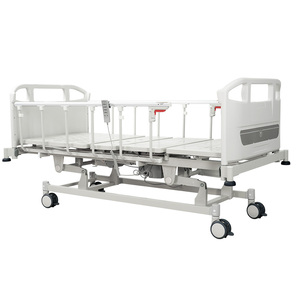
- Heavy-gauge ABS & reinforced steel
- 3-Function motorized micro-adjustment
- Zero-clearance side rail transfer dock
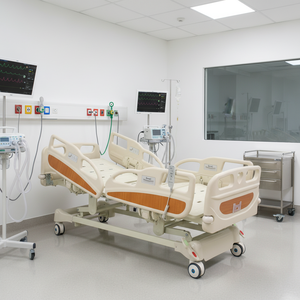
- Scalable 3/5/7 clinical motorized functions
- Integrated Trendelenburg & Cardiac Chair
- Anti-microbial easy-clean surface coating
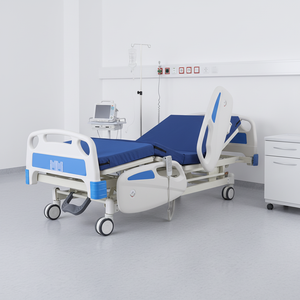
- Ultra-low height floor clearance for fall safety
- Rapid wheelchair transfer egress posture
- Whisper-quiet linear actuation drive
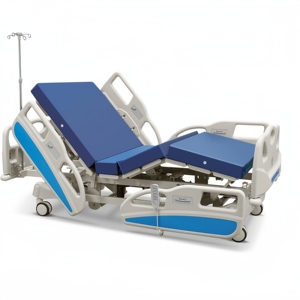
- Full 5-function multi-axis articulation
- Hospital-grade pressure redistribution mattress
- Dual-sided CPR release & central braking
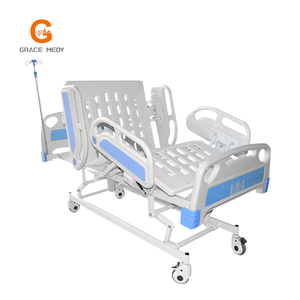
- Electric-manual dual mode redundancy
- Ergonomic examination accessory slots
- High-load castor wheels with directional lock
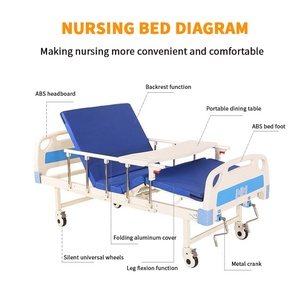
- High-torque foldaway mechanical cranks
- Precision backrest angle calibration
- Durable epoxy-polyester framework
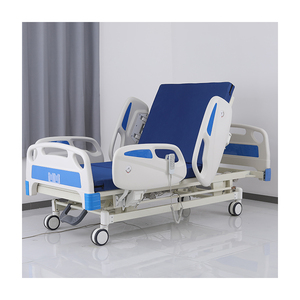
- Austenitic stainless steel construction
- Double-shaking heavy-load transmission
- Corrosion-resistant for rigorous disinfection
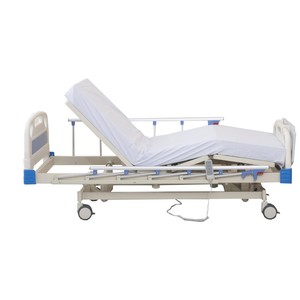
- Premium L&K medical linear actuator
- Handheld backlit ergonomic remote control
- 250kg safe operating working load
Evaluating the World's Top 10 Wheelchair Accessories Manufacturers
Procuring medical mobility sub-assemblies requires balancing strict biomechanical safety standards with volume manufacturing capabilities. Modern hospital procurement teams prioritize Tier-1 OEM/ODM factories capable of cross-platform interoperability.
Tier-1 manufacturers must demonstrate compliance with ISO 7176-19 crash test safety standards, RESNA WC-4 dynamic stress tolerances, and biocompatible skin-contact certifications (ISO 10993-5/10) for all pelvic positioning belts, headrests, and pressure-relieving foam interfaces.
High-tier factories utilize automated 5-axis robotic laser welding, multi-cavity polyurethane injection molding, and computerized tube bending to ensure 0.05mm dimensional tolerances across footrest hangers, anti-tipper assemblies, and motorized bracket extensions.
Global distributors require manufacturers with dedicated prototyping cells able to engineer specialized bariatric width extenders, zero-effort quick-release caster locks, and patient lift interface clamps with turnaround cycles under 15 working days.
| Manufacturer Tier | Primary Production Focus | Material Metallurgy | Regulatory Scope | Standard Lead Time |
|---|---|---|---|---|
| Hoffmann NOA Clinical Mobility | ICU Bed Interfacing, Ergonomic Positioning, Bariatric Extenders | Aeronautical 7075-T6 Al & 304 SS | FDA Class I/II, ISO 13485, CE | 2–3 Weeks (Direct Port) |
| Specialized Rehab Hardware Hubs | Dynamic Seating Hardware, Pelvic Stabilizers, Lateral Trunks | Carbon Fiber Composite & PU Molded | ISO 7176-19, MDR Class I | 3–4 Weeks |
| High-Volume Caster & Wheel Foundries | Shock-Absorbing Solid Polyurethane Casters, Mag Wheels | High-Impact Nylon & Polyurethane | REACH, RoHS, ISO 9001 | 2–4 Weeks |
| Smart Mobility Electronic Modules | Power-Assist Hubs, IoT Joystick Mounts, Telemetry Brackets | Die-Cast Zinc Alloy & Flame ABS | IEC 60601-1-2, CE-EMC | 4–5 Weeks |
Engineering Taxonomy: Critical Wheelchair & Patient Mobility Accessories
A granular breakdown of core sub-systems engineered by premier factories to minimize caregiver musculoskeletal strain, prevent tissue ischemia in immobilized patients, and optimize acute hospital fleet workflows.
Multi-chamber viscoelastic gel arrays and dynamic alternating air cells. Engineered according to clinical shear reduction protocols to eliminate stage 3/4 pressure ulceration during extended wheelchair sitting cycles.
Quick-release 70-degree swing-away mechanisms with continuous angle adjustment. Heavy-duty composite footplates designed for seamless lateral bed-to-chair patient transfer without foot obstruction.
Aviation-grade aluminum extension struts outfitted with tilt-in-space inclinometers. Triggers immediate Bluetooth telemetry alerts to central nurse stations upon identifying rollover threshold hazards.
Multi-diameter stainless steel clamp brackets compatible with standard 19mm to 32mm wheelchair frame tubular profiles. Features vibration-dampened dual cylinder locks for intensive care transit.
Future Sourcing & Procurement Trends (2025–2030)
Strategic analysis of technological shifts, supply chain resilience initiatives, and regulatory evolution redefining medical wheelchair accessory procurement over the next five years.
Accessories are transitioning from static hardware to connected sensor endpoints. Real-time patient weight tracking, sitting posture compliance algorithms, and automated repositioning alerts integrate directly into hospital Electronic Health Record (EHR) networks via FHIR standards.
Global tenders increasingly mandate decarbonized manufacturing footprints. Leading factories are replacing heavy carbon steel with recycled aerospace 7000-series aluminum and bio-resins, trimming gross accessory mass by 38% while enhancing tensile payload capacity.
Procurement departments are abandoning proprietary, single-brand accessory ecosystems. The emerging standard mandates quick-click universal attachment rails that allow headrests, tray tables, and lateral supports to dock interchangeably across wheelchairs and ICU beds.
Post-market surveillance requirements under EU MDR 2017/745 and FDA Unique Device Identification (UDI) mandates require all sub-tier components to carry laser-etched DataMatrix codes for lifecycle traceability from raw foundry ingot to end-of-life recycling.
Why Institutional Buyers Partner With Hoffmann NOA Medical
Combining more than 35 years of engineering heritage with the global capital stability and operational scale of the Hoffmann Family of Companies.
Founded in 1989, NOA Medical pioneered adjustable-height patient mobility and specialized clinical bed systems. Operating as a proud member of the Hoffmann Family of Companies (240+ global operations), our production lines combine robotic automation with rigorous clinical quality oversight.
-
35+ Years Healthcare Focus: Decades of clinical feedback engineered directly into every weldment, motor harness, and positioning interface.
-
Direct OEM/ODM Tooling Capabilities: In-house mold fabrication, robotic welding cells, and rapid clinical prototyping within 15 working days.
-
30-Day Risk-Free Evaluation: On-site facility demonstration units and clinical trials provided with zero purchasing commitment.
-
Global Logistics Footprint: Robust distribution infrastructure delivering seamlessly across the USA, Canada, Europe, LATAM, and Asia.
Frequently Asked Questions for Medical Mobility Sourcing
Actionable regulatory, technical, and operational insights to streamline RFP evaluations for clinical directors and hospital supply chain officers.