High-Performance Autopsy & Clinical Care Workstations
Engineered to rigorous international standards for anatomical pathology labs, forensic institutes, and hospital ICU departments worldwide.
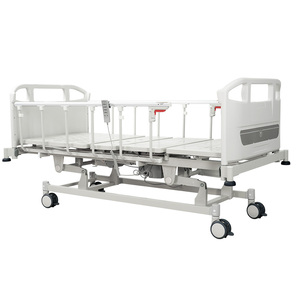
YXZ-C3(y302) 3-Function Electric Autopsy & ICU Table Bed
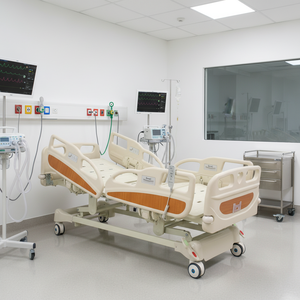
Hospital Patient Nursing Clinical 3/5/7 Function Electric Workstation Bed
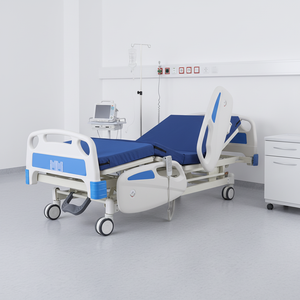
Height Adjustable Luxury Three Function Examination & Autopsy Table
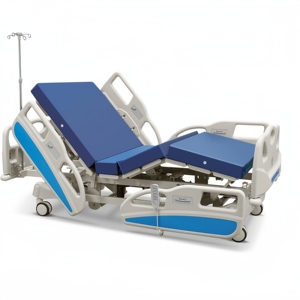
Cama Clinica Medical 5-Function Electric Autopsy & Intensive Care Table
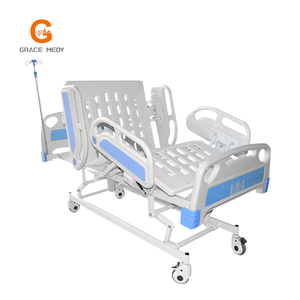
Multi-Function Manual & Electric Hybrid Pathology Examination Bed
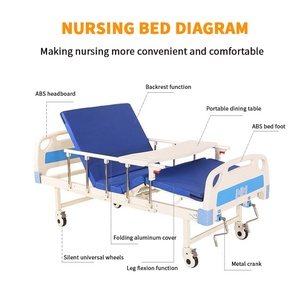
Hospital Patient Two-Crank Medical & Mortuary Preparation Table
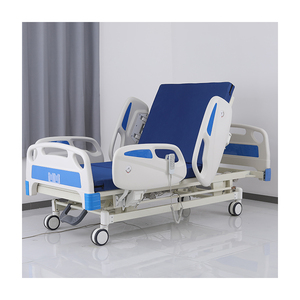
Chenhong CH-C8 Stainless Steel Class II Autopsy & Dissection Bed
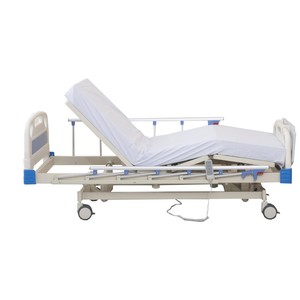
GRACEMED 3-Function Electronic Medical Table with L&K Motor
Navigating the Global Sourcing Landscape for Autopsy & Pathology Tables
In modern pathology laboratory design, forensic science infrastructure, and mortuary planning, selecting the optimal autopsy table is a critical decision that impacts operational safety, biohazard containment, technician ergonomics, and regulatory compliance. As global healthcare networks expand and forensic infrastructure undergoes modernization, China has emerged as the premier manufacturing hub for advanced medical equipment, including high-specification mortuary dissecting tables, grossing stations, and specialized care beds.
This technical whitepaper provides healthcare procurement committees, project managers, and medical exporters with an objective, data-driven framework to evaluate China’s leading autopsy table manufacturers. By dissecting key metallurgical standards, airflow dynamics, ergonomic mechanical systems, and factory audit parameters, this document empowers buyers to secure tier-one equipment at competitive global price points while minimizing supply chain risks.
Core Technical Evaluation Criteria for Autopsy Workstations
A detailed examination of essential engineering components required for safety, durability, and biological containment.
Metallurgical & Structural Integrity
Top-tier China factories utilize heavy-gauge AISI 304 or 316L stainless steel (minimum 1.5mm to 2.0mm thickness). 316L grade, enriched with molybdenum, provides superior resistance against harsh disinfectants, formalin, and saline solutions. Seamless TIG welding, radius-cornered basins, and electropolished surfaces eliminate bacterial traps and ensure compliance with strict hygiene protocols.
Biohazard Containment & Airflow Dynamics
Fume control is paramount during post-mortem examination. Modern dissecting tables feature recirculating or ducted downdraft ventilation systems. Operating at air velocities between 0.35 m/s to 0.50 m/s, these systems draw hazardous formaldehyde fumes, aerosolized pathogens, and odors down through perforated deck plates, routing them through multi-stage activated carbon and HEPA filtration matrixes.
Ergonomics & Actuation Technology
Repetitive strain injuries pose a major occupational hazard in pathology labs. Premium Chinese autopsy tables incorporate dual-actuator electric lifting columns or heavy-duty hydraulic rams, providing smooth height adjustment from 750mm to 1050mm. Medical-grade actuators (such as Linak or L&K) support dynamic working loads exceeding 350kg with IP66 washdown protection ratings.
Standard vs. Advanced Pathological Autopsy Table Specifications
Use this technical matrix when drafting tender documents or evaluating manufacturer proposals to ensure complete alignment with laboratory requirements.
| Technical Feature / Parameter | Standard Commercial Grade | Advanced Clinical & Forensic Grade | Information Gain / Sourcing Recommendation |
|---|---|---|---|
| Material Construction | AISI 304 Stainless Steel (1.2mm) | AISI 316L Stainless Steel (2.0mm) | ✓ Recommend 316L for high-corrosion chemical resistance. |
| Ventilation Type | Side-suction or non-ventilated | 360° Recirculating / Ducted Downdraft | ✓ Downdraft System maintains airborne formalin < 0.75 ppm. |
| Height Elevation Drive | Manual hydraulic foot pump | Dual LINAK / L&K Electric Actuators | ✓ Electric Actuators offer precision memory presets & IP66 seal. |
| Waste Management | Single drain hole with bucket basket | Integrated macerator pump & splash flush | Prevents plumbing blockages and processes solid tissue residue. |
| Illumination & Imaging | External overhead fluorescent lighting | Integrated LED task lights & HD camera arm | Essential for digital pathology documentation and telemetry. |
| Certifications Required | Basic CE declaration | ISO 13485, CE (MDR), FDA registered | Mandatory compliance verification for hospital tenders. |
Future Procurement Trends in Autopsy Equipment Manufacturing
The global pathology equipment landscape is undergoing rapid technological transformation. Driven by stringent occupational health standards (such as OSHA and EU-OSHA formaldehyde exposure limits) and the integration of digital health technologies, top Chinese factories are pioneering several major advancements:
1. Smart Connected Autopsy Workstations (Pathology IoT)
Future-ready autopsy tables are no longer passive stainless steel fixtures. Leading Chinese exporters are embedding smart sensors that monitor air extraction velocity, HEPA filter saturation levels, fluid flow rates, and ambient chemical concentrations in real time. These data points stream directly to hospital facility management software, predicting maintenance needs before system failures occur.
2. Integrated Grossing & Digital Documentation Arms
With the rise of telepathology and digital forensics, modern procurement demands seamless integration of high-resolution digital cameras, dictation microphones, and touch-screen monitors mounted on articulated overhead arms. Top-tier factories offer factory-fitted internal conduit routing, keeping cabling shielded from liquid splashes and biological contamination.
3. Sustainable Eco-Filtration & Energy Efficiency
Energy consumption from continuous HVAC exhaust systems is a key operational expense for hospital mortuaries. Next-generation downdraft tables incorporate intelligent variable air volume (VAV) sensors that automatically throttle fan speeds based on operator proximity, reducing electrical power usage by up to 40% while preserving operator safety.
How to Audit and Select China Autopsy Table Exporters
An actionable operational checklist based on 30+ years of healthcare equipment manufacturing expertise.
1. Verify ISO 13485 & Welding Credentials
Do not rely solely on standard ISO 9001 certificates. Ensure the factory possesses ISO 13485 (Medical Devices Quality Management System) accreditation. Request certified welder documentation to guarantee seamless TIG welding free of micro-porosity where bacteria can proliferate.
2. Inspect Water & Air Pressure Test Rig
Reputable exporters subject 100% of finished tables to hydrostatic leak testing of integrated sinks and smoke-testing of downdraft ducting. Inquire whether the manufacturer provides pre-shipment factory acceptance testing (FAT) video documentation for your specific order.
3. Evaluate Customization (CAD/CAM Capabilities)
Every mortuary layout presents unique spatial constraints and utility connection points. Choose a supplier with in-house 3D CAD design teams capable of tailoring table dimensions, sink placement, spray hose locations, and voltage specifications (110V/220V, 50/60Hz) to your facility blueprint.
Why Global Healthcare Partners Trust Our Manufacturing Capabilities
Drawing on over three decades of hospital bed and medical equipment engineering heritage (pioneered since 1989), our manufacturing ecosystem seamlessly integrates heavy industrial precision with specialized healthcare design requirements. Serving healthcare networks, government tenders, and distributors across the USA, Canada, Europe, Latin America, and Asia, our operations stand out through distinct enterprise strengths:
30+ Years of Manufacturing Heritage
Established track record in precision medical steel fabrication, ensuring long-term structural integrity and steady spare parts availability globally.
Rigorous ISO 13485 Quality Assurance
Every production unit undergoes comprehensive dimensional checks, motor load stress testing, leak testing, and electrical safety insulation audits.
Flexible OEM & ODM Engineering
From custom table dimensions and specialized accessory mounts to white-label branding for international distributors, our CAD teams deliver tailored solutions.
Global Export Logistics & Support
Export-grade reinforced wooden crating, complete clearance documentation (CE, Certificate of Origin), and dedicated technical support after sale.
Essential Sourcing & Technical FAQ
Clear, expert answers to common questions raised by medical equipment buyers, biomedical engineers, and facility architects.
Q1 What is the main difference between AISI 304 and 316L stainless steel for autopsy tables?
While AISI 304 provides excellent baseline corrosion resistance for general medical environments, AISI 316L contains 2% to 3% molybdenum. This additional element significantly boosts resistance to pitting and crevice corrosion caused by harsh biological fluids, saline rinses, and aggressive chemical sterilizers (such as sodium hypochlorite or formaldehydes). For high-volume forensic labs, 316L is strongly recommended for long-term durability.
Q2 How does a downdraft ventilation system work in an autopsy workstation?
A downdraft ventilation system pulls air downward through perforated stainless steel surface plates on the table deck, away from the operator's breathing zone. Hazardous formaldehyde vapors and heavy formalin gases (which naturally settle lower than air) are drawn into internal suction plenum ducts. The air is then processed through internal carbon filters or vented out through the facility's master HVAC exhaust, keeping operator exposure well below legal limits.
Q3 What power supply options are available for electric height-adjustable tables?
Our tables can be configured to meet global electrical standards, including 110V-120V / 60Hz for North American markets and 220V-240V / 50Hz for European, Asian, and African markets. Actuators utilize low-voltage DC motors (typically 24V DC) with IP66 water-resistant sealing, backed by internal emergency battery backup options.
Q4 Can you customize table dimensions and sink placement for existing mortuary rooms?
Yes. As a direct manufacturer, we offer full OEM/ODM customization. Our engineering team can adjust table length, width, basin depth, drawer configurations, and plumbing connection positions to align perfectly with your architectural blueprints and utility stub-outs.
Q5 How are liquid and solid waste handled during dissection procedures?
Tables feature sloped deck surfaces directing fluid flow toward a deep end basin. Basins are equipped with removable strainer baskets to catch tissue debris. For advanced installations, integrated heavy-duty tissue macerator disposal units can be built directly under the sink to grind solid waste before discharge into hospital drainage systems.
Q6 What certifications do your products hold for tender submissions?
Our manufacturing facilities operate under ISO 13485 and ISO 9001 quality management standards. Products carry full CE certification according to European Medical Device Directive standards, accompanied by detailed technical files, material test reports (MTR), and factory test certificates required for international government tenders.
Q7 What is the typical lead time and packaging method for international shipping?
Standard production lead time ranges from 15 to 25 business days depending on order size and customization level. Equipment is packed in ISPM-15 compliant, heavy-duty fumigated wooden crates with moisture-absorbent silica packs and protective foam cladding to prevent transit damage during sea or air freight.
Q8 What warranty and technical spare parts support do you provide?
We provide a comprehensive 1 to 3 year factory warranty covering structural framework, electronic actuators, and plumbing assemblies. Key spare parts (actuators, control boxes, spray handles, seals) are stocked for rapid dispatch via international air express, ensuring minimal downtime for your facility.
Request Custom Technical Specifications & Factory Direct Quotations
Planning a new pathology laboratory installation or upgrading hospital mortuary equipment? Speak directly with our engineering specialists to obtain CAD drawings, tender documentation, and competitive factory pricing.