CHENHONG Steel Frame Hospital Patient Examination Bed
Heavy-duty cold-rolled carbon steel chassis with high-grade electrostatic powder coating. Built for high-volume outpatient clinics requiring reliable physical inspection infrastructure.
Explore our benchmark clinical examination tables engineered for acute hospital wards, outpatient clinics, OB/GYN suites, and long-term care environments. Each model represents class-leading structural stability, ergonomic versatility, and patient safety compliance.
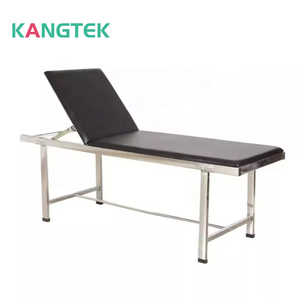
Heavy-duty cold-rolled carbon steel chassis with high-grade electrostatic powder coating. Built for high-volume outpatient clinics requiring reliable physical inspection infrastructure.
Cost-optimized clinical couch featuring seamless antimicrobial PU leather upholstery, integrated paper roll holder, and non-marring rubber stability foot pads.
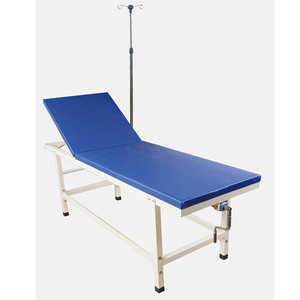
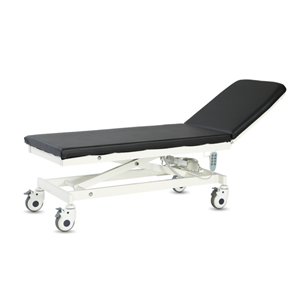
Ergonomic two-section clinical couch designed for rapid patient positioning, featuring high-density foam padding and flame-retardant upholstery conforming to international standards.
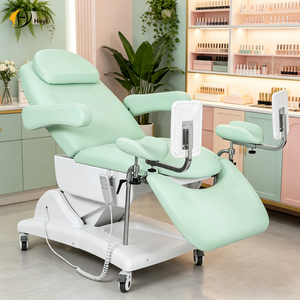
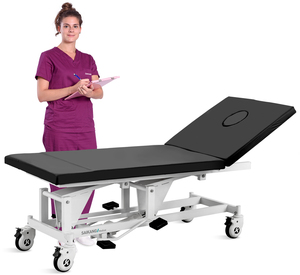
Premium electro-hydraulic multi-function table equipped with four silent medical-grade linear actuators for independent height, backrest, leg rest, and Trendelenburg adjustment.
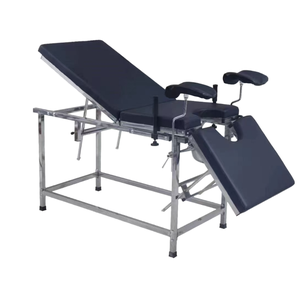
Class I medical device engineered for obstetric labor, delivery, and gynecological recovery. Features telescoping leg section, fluid basin, and side grab handles.
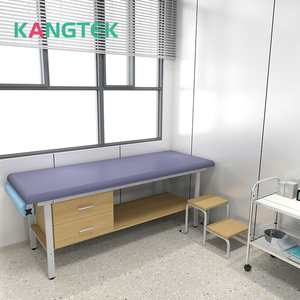
Executive clinical examination table combining heavy-duty steel framework with wooden storage cabinets, integrated paper roll holder, and expandable footrest shelf.
Heavy-duty hydraulic elevation couch built with corrosion-resistant 304 stainless steel frame. Foldable design optimizes floor space in mobile field hospitals and emergency wards.
Ergonomic L-frame examination bed constructed with reinforced carbon steel tubing, offering superior flexural strength, anti-microbial synthetic leather, and smooth manual elevation control.
Selecting a reliable China examination beds supplier requires an in-depth technical evaluation beyond unit pricing. As global healthcare infrastructure expands, medical equipment procurement officers, hospital architects, and B2B distributors must navigate complex regulatory requirements, structural metallurgy standards, and ergonomic specifications to guarantee patient safety and operational longevity.
Modern clinical examination beds serve as the primary point of contact during patient triage, physical diagnostics, minor surgical procedures, and specialized OB/GYN evaluations. A substandard frame design or low-tier linear actuator can lead to mechanical failure, nurse back strain, infection cross-contamination, and expensive hospital liability. This technical sourcing whitepaper outlines the critical engineering evaluation criteria for institutional buyers.
Tier-1 manufacturers must comply with IEC 60601-1 (General Safety for Medical Electrical Equipment), IEC 60601-2-52 (Medical Bed Safety Standards), and ISO 13485:2016 quality systems to clear EU MDR and US FDA 510(k) audits.
Frame longevity hinges on robotically welded Q235B carbon steel or 304 stainless steel treated with anti-microbial electrostatic powder coating tested under ASTM B117 salt spray standards for over 500 hours.
Electric models require medical-grade linear actuators (e.g., LINAK, Dewert, or high-duty domestic equivalents) delivering smooth elevation, quiet operation (<48 dB), and emergency battery back-up capability.
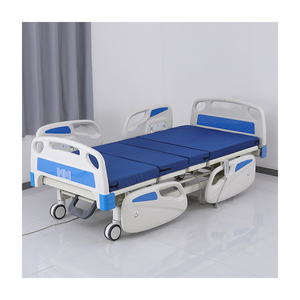
A comparative evaluation of drive mechanisms, load factors, and clinical use cases for institutional sourcing decision-making.
| Category / Specification | Manual Fixed Couches | Hydraulic Elevation Beds | Multi-Motor Electric Beds |
|---|---|---|---|
| Primary Drive Mechanism | Manual Ratchet / Gas Spring | Heavy-Duty Hydraulic Foot Pump | 2 to 4 Micro-Linear Actuators |
| Safe Working Load (SWL) | 150 kg – 200 kg | 220 kg – 300 kg | 250 kg – 400 kg (Bariatric Rated) |
| Height Adjustment Range | Fixed (600mm – 750mm) | Variable (500mm – 900mm) | Variable (450mm – 980mm Ultra-Low) |
| Clinical Target Setting | Outpatient Triage, School Clinics | Emergency Wards, Minor Procedure | OB/GYN, ICU Diagnostic, Specialty |
| Infection Control Grade | Stitched PU / Standard Vinyl | Seamless Thermoformed Synthetic | Seamless Bio-Shield PU + Antimicrobial |
| Expected Lifecycle (TCO) | 5 – 7 Years | 8 – 10 Years | 10 – 12+ Years (Low Maintenance) |
The global medical couch market is shifting rapidly driven by patient demographics, healthcare worker ergonomic regulations, and digital transformation. When partnering with a China examination beds supplier, global procurement teams must anticipate these technical evolutions to future-proof their capital investments:
Future examination beds are incorporating in-bed weight sensors, position telemetry, and Bluetooth/Wi-Fi connectivity to pipe patient vitals and mobility metrics directly into Electronic Health Record (EHR) platforms.
To minimize occupational back injury claims among nursing staff, regulatory bodies increasingly mandate ultra-low entry heights (<450mm) combined with high-speed electric elevation systems.
The post-pandemic clinical environment demands zero-seam, high-frequency welded upholstery resistant to aggressive hospital-grade disinfectants like hydrogen peroxide vapor and quaternary ammonium compounds.
With ocean freight volatility, manufacturers are engineering Knock-Down (KD) structural frames that maximize container loading efficiency by up to 40%, drastically reducing carbon footprint and shipping costs.
Rising global obesity rates are pushing standard examination couch weight capacity requirements from 150kg to a minimum of 250kg–400kg, necessitating reinforced gusset plates and high-torque motors.
Integration of high-capacity Lithium-Iron-Phosphate (LiFePO4) battery units guarantees uninterrupted motorized position control during power outages and mobile patient transfers across departments.
Drawing from over 30 years of medical bed innovation and backed by robust industrial resources—similar to the legacy of leading healthcare brands like Hoffmann NOA Medical Industries—our production centers maintain uncompromising standards of quality control and customization flexibilities.
Every examination couch undergoes raw material spectral analysis, 100% robotic weld seam integrity inspection, dynamic load-stress testing, and continuous 72-hour motor burn-in cycles before packaging.
From custom powder-coat Pantone colors and bespoke frame dimensions to specialized accessory integrations (IV poles, paper roll holders, leg crutches), our R&D team fulfills custom tender specifications efficiently.
Leveraging strategic port proximity in China and established global logistics channels across North America, Europe, the Middle East, and Latin America, we guarantee reliable lead times and spare parts availability.
Expert responses to critical commercial and technical questions regarding the sourcing, importation, and deployment of Chinese examination beds.
For entry into the European Union, examination beds classified under CE MDR (Medical Device Regulation) must comply with IEC 60601-1 and IEC 60601-2-52 standards. For the United States, manufacturers must hold FDA facility registration and 510(k) clearances for motorized models. ISO 13485:2016 certification is mandatory across all global markets to prove manufacturing quality control integrity.
Electric linear actuators offer precise, push-button or foot-switch elevation control with multi-sectional articulation (backrest, knee-break, Trendelenburg). They provide quiet operation and digital integration. Hydraulic systems are non-electric, making them suitable for mobile field hospitals, trauma rooms without reliable power grids, or cost-conscious clinic environments.
Seamless, high-frequency welded synthetic polyurethane (PU) upholstery offers the highest level of infection resistance. It eliminates needle-stitch holes where fluids and bacteria accumulate. Paired with an anti-microbial topcoat (tested under ISO 22196), it withstands harsh hospital disinfectants without cracking or discoloration.
Standard catalog models typically carry an MOQ of 10 to 20 units, while customized OEM/ODM configurations (custom branding, bespoke dimensions, specific frame colors) generally require 50 units or a 20ft container equivalent. Standard manufacturing lead time is 20 to 30 days following engineering sign-off.
Knock-down examination couches are engineered for rapid assembly upon arrival using modular bolt-together frame sections. By reducing the volumetric shipping footprint by 35% to 45% compared to fully assembled units, KD designs significantly lower per-unit ocean freight costs and allow up to 180 units to fit in a 40ft HQ container.
Top-tier suppliers offer a 3 to 5-year structural frame warranty and a 2-year warranty on electrical actuators, gas springs, and control handsets. Strategic sourcing agreements include a 2% wearing-parts kit shipped with bulk orders to ensure immediate facility maintenance support.
Whether you are outfitting a new acute care hospital, upgrading a network of outpatient clinics, or seeking a trusted OEM contract partner, our engineering team is ready to deliver world-class clinical examination solutions.