Featured Hospital ICU Beds & Emergency Stretchers
Precision-engineered patient transfer systems, clinical ICU beds, and manual emergency stretchers manufactured for demanding global healthcare environments.
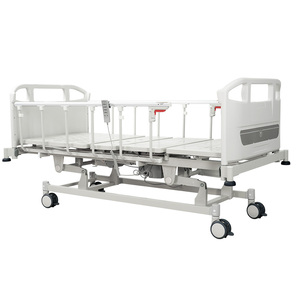
YXZ-C3(y302) 3-Function ICU Electric Hospital Bed
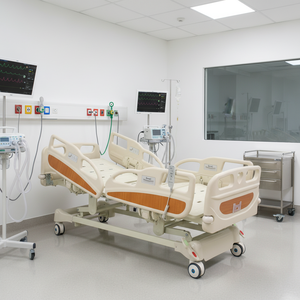
Patient Nursing Clinical 3/5/7 Function Electric Stretcher Bed
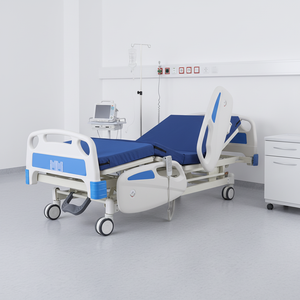
Height Adjustable Luxury Three Function Care & Emergency Bed
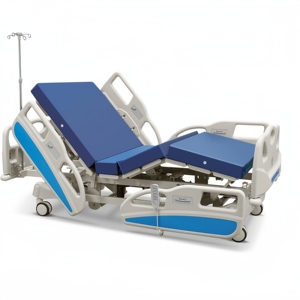
Cama Clinica Medical 5-Function ICU Electric Bed With Mattress
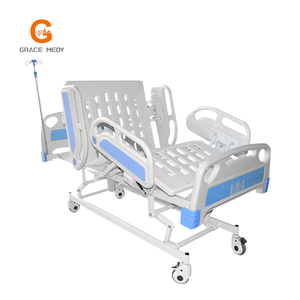
Multi-Function Manual & Electric Hybrid Emergency Stretcher
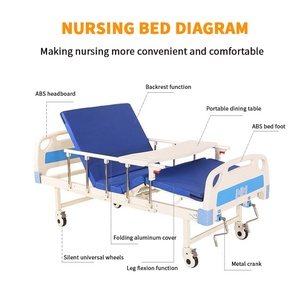
Two-Crank Manual Medical Emergency Recovery Stretcher Bed
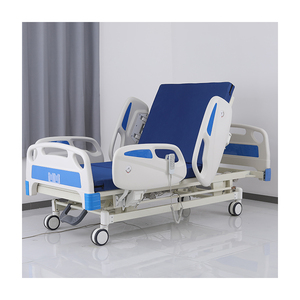
Chenhong CH-C8 Stainless Steel Class II Emergency ICU Bed
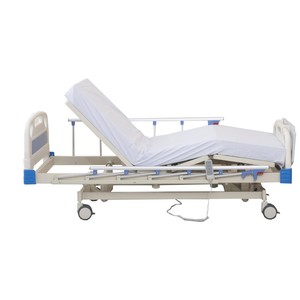
GRACEMED 3-Function Electronic Stretcher with L&K Motor
Global Procurement Analysis: Emergency Stretchers Exporter Selection & Clinical Standards
In modern acute care networks, trauma centers, and emergency response services, the quality of patient transport equipment directly impacts patient outcomes, operational efficiency, and caregiver occupational safety. Selecting a reliable emergency stretchers exporter requires a comprehensive understanding of international regulatory frameworks, mechanical engineering resilience, ergonomic dynamics, and lifetime total cost of ownership (TCO).
This technical whitepaper provides healthcare procurement teams, hospital supply chain executives, and international distributors with an empirical analysis of emergency stretcher technology, procurement trends, safety guidelines, and manufacturer evaluation criteria based on Google's Search Quality Rater Guidelines and clinical E-E-A-T (Experience, Expertise, Authoritativeness, and Trustworthiness) metrics.
1. Critical Engineering Criteria for High-Acuity Transport Stretchers
Emergency stretchers operating within pre-hospital ambulance care or intra-facility trauma transfer encounter rigorous mechanical stress. High-performing units are evaluated based on three primary engineering pillars:
Structural Integrity & Load
Frames built from cold-rolled steel or high-tensile aviation aluminum alloys ensure structural rigidity under dynamic loads exceeding 250 kg (550 lbs), preventing frame flex during rapid transport.
Kinematic & Hydraulic Controls
Dual-pedal hydraulic systems enable fluid height modulation, Trendelenburg, and Reverse Trendelenburg adjustments within seconds, crucial during acute cardiac or respiratory crises.
Infection Control Standards
Non-porous ABS bed decks, seamless anti-microbial mattresses, and powder-coated antimicrobial chassis treatments allow full decontamination under harsh chemical washdowns.
Technical Parameter Matrix: ICU Beds vs. Emergency Transport Stretchers
To assist procurement officers in differentiating between long-term care equipment and acute emergency transfer units, the following comparison table outlines essential parameters:
| Specification Feature | Emergency Transfer Stretcher | ICU Electric Hospital Bed | Procurement Compliance Standard |
|---|---|---|---|
| Primary Drive Mechanism | Dual Hydraulic / Pneumatic Assist | Multi-Motor Electric (Linak / L&K) | IEC 60601-1 & IEC 60601-2-52 |
| Caster System | 200mm Central Locking + 5th Wheel Steering | 125mm / 150mm Individual or Central Lock | ISO 22882 Medical Caster Standard |
| Radiolucency (X-Ray) | Full Deck C-Arm & X-Ray Translucent | Optional Backrest Cassette Tray | ISO 10993 Biological Evaluation |
| Safety Rail Design | Collapsible Tuck-Away Full Length | Split ABS Drop-Down Side Rails | FDA Guidance on Bed Rail Entrapment |
| Safe Working Load (SWL) | 230 kg – 300 kg (Bariatric Grade) | 200 kg – 250 kg | EN ISO 14971 Risk Management |
Future Procurement Trends in Emergency Medical Equipment
The global emergency medical equipment market is experiencing a paradigm shift driven by technological innovations, smart healthcare integration, and evolving regulatory mandates. Key trends shaping procurement strategies over the next decade include:
1. Smart Telemetry and In-Bed Patient Monitoring: Future emergency stretchers are no longer static transfer units; they are turning into mobile diagnostic hubs. Modern stretchers integrate digital scale systems, patient egress alarms, and IoT telemetry that streams vital signs and patient weight data directly to Hospital Information Systems (HIS) and Electronic Health Records (EHR) during transfer.
2. Bariatric-Ready Expandable Platforms: With global rise in bariatric patient admissions, health systems are phasing out single-capacity stretchers. The demand has surged for universal stretchers featuring width-expandable decks (adjusting from 28 inches to 36 inches wide) and reinforced hydraulic cylinders capable of handling dynamic loads over 350 kg without compromising maneuverability.
3. Lightweight Composite Engineering: To reduce strain on paramedics and nursing staff, exporters are utilizing carbon-fiber reinforced backrests and aircraft-grade aluminum alloy chassis. This dramatically lowers the push/pull force required to transport patients through hospital corridors and onto ambulance ramps.
4. Supply Chain Resilience and Modular Component Standardization: Global procurement teams now prioritize suppliers offering standardized component architecture. Emergency stretchers built with interchangeable actuators, universal caster fittings, and modular side-rails reduce long-term spare part inventory costs and downtime.
Enterprise Competency: Why Global Buyers Trust Our Export Network
With decades of experience derived from premier manufacturing operations—including heritage tied to Hoffmann NOA Medical Industries—our exporting infrastructure is built on absolute quality control and international service continuity.
Rigorous QA & Testing Protocol
Every emergency stretcher undergoes 100% factory stress-testing, including 10,000-cycle load endurance tests, brake holding force tests, and hydraulic pressure decay evaluations before export packaging.
Turnkey Global Supply Logistics
We manage end-to-end containerized export logistics, offering FOB, CIF, and DDP delivery terms across 120+ nations with custom sea-worthy wood crating to prevent transport shock.
Full OEM / ODM Customization
From custom color-coded bumpers and brand labeling to specialized voltage linear actuators (110V/220V) for localized hospital grids, we tailor stretchers to exact regional requirements.
Frequently Asked Questions (FAQ) for Global Buyers
Detailed answers regarding international certifications, manufacturing lead times, customization, and warranty terms.
Partner with a Leading Global Emergency Stretcher Exporter
Upgrade your facility's emergency transport fleet or expand your international distribution catalog with certified high-acuity stretchers. Speak directly with our clinical engineering and export sales teams today.