Featured Bariatric & High-Acuity Medical Beds
Engineered to comply with Australian Standards (AS/NZS IEC 60601.2.38) and WorkSafe Victoria ergonomic requirements for public hospitals, private clinics, and NDIS SDA facilities.
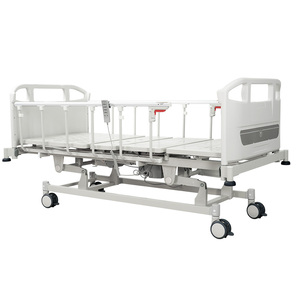
YXZ-C3 3-Function ICU Electric Hospital Bed
Heavy-duty ABS and steel construction featuring full electric backrest, knee-rest, and height adjustment. ISO certified for critical care environments.
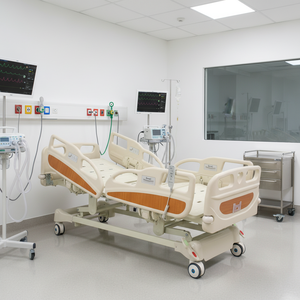
Clinical Nursing 3/5/7 Function Electric ICU Bed
Advanced clinical positioning including Trendelenburg and Reverse Trendelenburg. Integrated lateral tilt capabilities for pressure injury prevention.
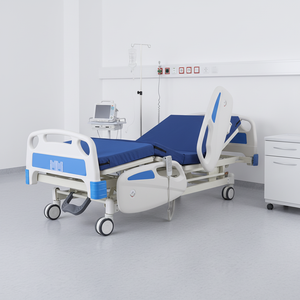
Height Adjustable Luxury 3-Function Bariatric Care Bed
Designed for smooth movement and ergonomic patient positioning in aged care and sub-acute wards across Melbourne. Ultra-low height option available.
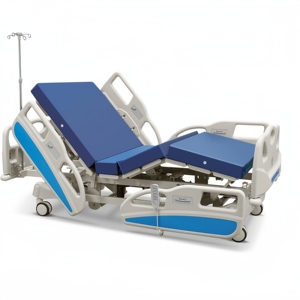
5-Function ICU Electric Hospital Bed with Pressure Mattress
Complete care system featuring central braking, dual CPR release levers, and custom bariatric foam/alternating air mattress compatibility.
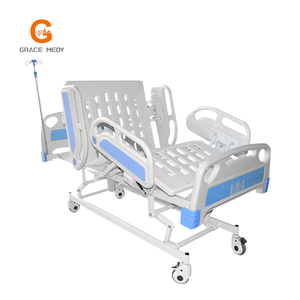
Multi-Function Hybrid Electric/Manual ICU Bariatric Bed
Versatile hybrid bed equipped with battery backup and manual override cranks, ensuring zero downtime during critical ward transfers or power loss.
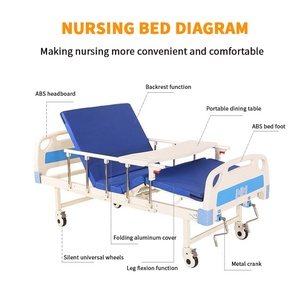
Two-Crank Heavy-Duty Recovery & Rehabilitation Bed
Cost-effective manual crank patient bed reinforced with high-grade structural steel channels for general ward and sub-acute patient rehabilitation.
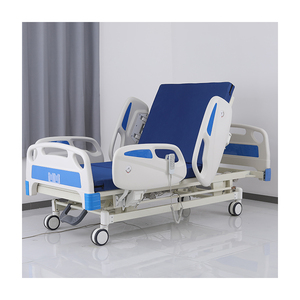
Chenhong CH-C8 Stainless Steel Class II ICU Bed
Class II medical-grade bed with double-shaking stainless steel side rails, seamless washdown surfaces, and anti-microbial powder coating.
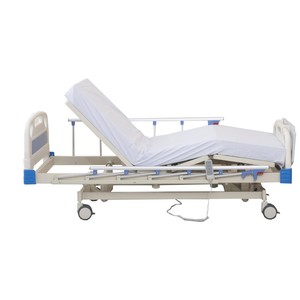
GRACEMED 3-Function Electronic Bed with Heavy Motor System
Powered by heavy-duty Linear Actuator systems. CE certified with 1-year warranty and localized spare parts backup across Victoria.
Executive White Paper: Managing Bariatric Acuity in Melbourne’s Healthcare & Disability Sectors
The Greater Melbourne healthcare landscape—anchored by major health networks such as Monash Health, Melbourne Health (The Royal Melbourne Hospital), Austin Health, Alfred Health, and Western Health—is experiencing a structural shift in patient demographics. Epidemiological data from the Victorian Department of Health indicates that adult obesity rates across regional and suburban Victoria exceed 31%, leading to an increased demand for specialized bariatric acute care and long-term accommodation.
1. Biomechanical Challenges in Bariatric Patient Handling
Standard hospital bed frames rated at 180kg–220kg Safe Working Load (SWL) are structurally inadequate for high-mass patients. Subjecting standard beds to elevated patient weight risks frame deformation, motor overload, and catastrophic structural failure during articulation (such as Fowler backrest elevation or Trendelenburg tilting).
Furthermore, bariatric patients present unique clinical complications including severe respiratory compromise (obstructive sleep apnea, hypoventilation syndrome) and elevated risks of Stage 3 and 4 pressure injuries. Delivering optimal clinical outcomes requires medical beds capable of tool-free expandable deck widths (from 36" to 48" / 900mm to 1200mm), integrated digital scale systems, cardiac chair positioning, and precise lateral tilt capabilities.
2. Legislative & WorkSafe Victoria Mandates
Under the Victorian Occupational Health and Safety Act 2004 and the WorkSafe Victoria Compliance Code for Manual Handling, healthcare facilities are legally obligated to eliminate manual lifting risks. Nursing staff injuries resulting from lateral transfers, re-positioning, and patient boosting account for over 42% of WorkCover claims within Victorian health services.
Deploying high-capacity bariatric beds engineered with smooth, powered push/pull mobility drives, dual-stage electric height elevation (ranging from ultra-low 200mm floor clearance to 800mm ergonomic nursing height), and split drop-down side rails substantially reduces force requirements for clinical staff, fulfilling institutional Duty of Care obligations.
Localized Application Scenarios Across Melbourne Facilities
Our bariatric bed systems are engineered for diverse care delivery models across public hospitals, private healthcare groups, and NDIS providers.
Public & Private Acute Trauma Wards
Deployed in high-acuity environments such as ICU, CCU, and bariatric surgical recovery wings (e.g., Epworth Richmond, St Vincent's Hospital Melbourne). Features include one-touch CPR release, X-ray translucent backrests, central braking pedal layouts, and high-capacity SWL up to 500kg.
NDIS SDA & SIL Accommodation
Tailored for Specialist Disability Accommodation (SDA) and Supported Independent Living (SIL) providers operating across Melbourne's growth corridors (Wyndham, Whittlesea, Casey). Fully compliant with NDIS Capital Assistive Technology funding rules, featuring home-like timber aesthetic head/footboards combined with clinical-grade steel sub-frames.
Sub-Acute & Aged Care Rehabilitation
Optimized for residential aged care facilities and sub-acute rehab centers (e.g., Caulfield Hospital). Provides low-height riser movement to mitigate bed-fall injuries among bariatric dementia patients, coupled with full electric articulation for resident self-independence.
Australian Standards & Quality Compliance Matrix
Procuring medical beds within Victoria demands strict adherence to federal and state regulatory frameworks. Substandard or uncertified imports fail compliance audits and create unacceptable liability for hospital networks and NDIS providers.
| Standard / Regulation | Technical Scope & Requirement | Compliance Implementation |
|---|---|---|
| AS/NZS IEC 60601.2.38 | Medical electrical equipment: Particular requirements for basic safety & performance of hospital beds. | Full compliance; verified anti-entrapment side rail gaps, drop-tested structural chassis. |
| TGA Class I Included | Therapeutic Goods Administration Australian Register of Therapeutic Goods (ARTG) listing. | Formally registered for therapeutic distribution across all Australian states. |
| IEC 60601-1-2 (EMC) | Electromagnetic compatibility to prevent interference with sensitive cardiac monitors and ventilators. | Shielded control boxes, low-noise linear actuators certified for zero RF disruption. |
| WorkSafe Victoria Manual Handling | Ergonomic design parameters to prevent push/pull and lifting strain on clinical nursing personnel. | Integrated castor central brake/steer, powered transport drive compatibility, dual-sided control pendants. |
| IPX6 Washdown Protection | Ingress protection rating for automated hospital cleaning and terminal disinfection cycles. | Hermetically sealed motor enclosures and water-tight quick-disconnect wiring harness. |
Why Health Networks Trust Hoffmann NOA Medical
As part of the Hoffmann Family of Companies—a global enterprise comprising over 240 businesses—Hoffmann NOA Medical brings over 30 years of specialized medical bed design and manufacturing experience to the Australian market.
- Structural Steel Heavy-Duty Engineering: Built with high-tensile cold-rolled steel frames capable of supporting dynamic loads up to 500kg without flexing or binding.
- Tool-Free Deck Expansion: Patented expandable deck technology allows quick width transition from 36 inches to 42 or 48 inches to accommodate varying patient girth seamlessly.
- Integrated Weight Management: In-bed scale systems calibrated to high accuracy standards, allowing weight logging without transferring fragile bariatric patients.
- Robust Supply Chain & Local Support: Direct-from-factory shipping routes into the Port of Melbourne, supported by local Victorian technical support and rapid spare parts dispatch.
- Comprehensive Warranty Program: Backed by robust structural frame warranties and dedicated technical response teams serving Greater Melbourne, Geelong, and regional Victoria.
Bariatric Bed System Specifications Matrix
Comprehensive specification breakdown for hospital biomechanical engineers, procurement officers, and occupational therapists evaluating fleet acquisitions.
| Specification Parameter | Standard Acute Bariatric Bed | Heavy-Duty ICU Bariatric Bed | SDA / Home Care Bariatric Bed |
|---|---|---|---|
| Safe Working Load (SWL) | 300 kg (660 lbs) | 450 kg – 500 kg (1100 lbs) | 280 kg (616 lbs) |
| Sleep Deck Width | 900mm to 1050mm Expandable | 900mm to 1200mm Tool-Free | 1070mm Fixed King Single |
| Height Range (Deck-to-Floor) | 250mm – 750mm | 200mm – 820mm Low-Riser | 220mm – 720mm |
| Articulation Angles | Backrest: 0–70°, Knee: 0–30° | Backrest: 0–75°, Trendelenburg: ±16° | Backrest: 0–70°, Auto-Contour |
| Actuator Motors | Heavy-Duty Linak / L&K Drive | Quad-Motor System + Backup | Low-Noise Electric Actuators |
| Castors & Braking | 125mm Dual Wheels / Central Brake | 150mm Central Locking + Steer Control | Individual Locking 100mm Castors |
| In-Bed Scale System | Optional Module | Integrated Class III OIML Scale | N/A |
Melbourne Local Procurement & Technical FAQs
Addressing essential clinical, regulatory, and logistics queries for Victorian healthcare buyers.
Request a Bariatric Fleet Assessment for Your Melbourne Facility
Connect with our medical equipment engineering team to receive full CAD floorplan drawings, technical specification sheets, OT trial evaluations, and competitive commercial pricing for public or private procurement.