High-Acuity Patient Care Beds for Indian Procurement
Engineered to meet rigorous global standards (ISO 13485, CE, IEC 60601-2-38) and fully adapted for Indian hospital networks, ICU facilities, and long-term care environments.
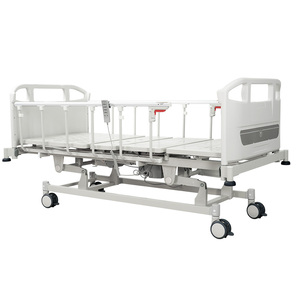
YXZ-C3(y302) 3-Function ICU Electric Hospital Bed Factory Medical Bed ABS/Steel/Metal Manual ICU Bed ISO Certified
- 3-Function Electric Adjustment
- Tough ABS Boards & Side Rails
- ISO Certified Medical Grade
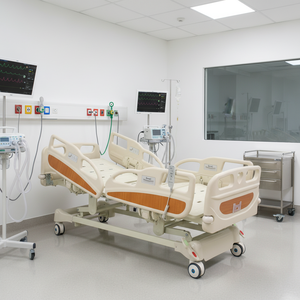
Hospital Furniture Patient Nursing Clinical Medical Bed 3/5/7 Function Electric Hospital ICU Bed
- Multi-Function Electric Platform
- High Load Capacity Structure
- Central Locking Caster System
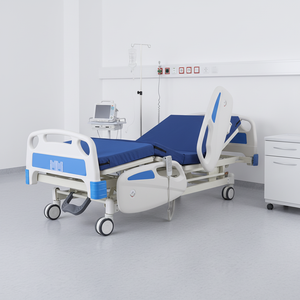
Height Adjustable Luxury Three Function Care Bed Ease of Movement and Positioning Electric Nursing Bed
- Precision Height Adjustment
- Ergonomic Resident Care Deck
- Smooth & Quiet Motor Drives
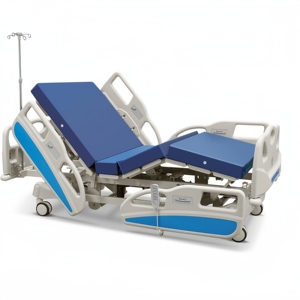
Cama Clinica Medical Patient Bed 5 Function ICU Electric Hospital Bed With Mattress
- 5-Function Full ICU Control
- Trendelenburg & Tilt Options
- Medical Mattress Included
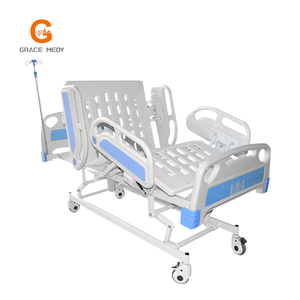
Multi Function Manual Hospital Electric Icu Bed Hospital Examination Bed Medical Equipment
- Versatile Examination Platform
- Hybrid Manual/Electric Control
- Antibacterial Powder Coating
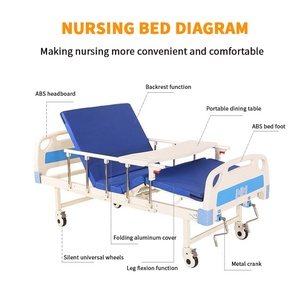
Hospital Patient Bed Two Crank Medical Bed Backrest Adjustment For Patient Recovery
- Dual Crank Manual Adjustment
- Heavy-Duty Steel Construction
- Economical Recovery Solution
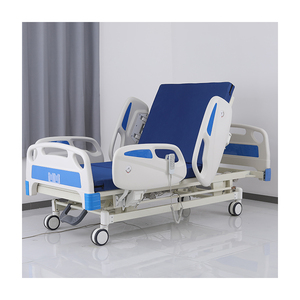
Chenhong CH-C8 Factory Supplied Double-Shaking Stainless Steel Class II Medical Beds for ICU & Hospital Wards
- Class II Stainless Steel Deck
- Double-Shaking Mechanical System
- High Durability Ward Bed
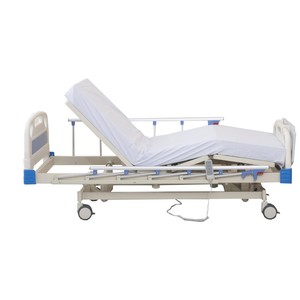
GRACEMED 3-Function Hospital Electronic Medical Bed With L&K Motor CE Certified 1-Year Warranty
- Premium L&K Motor Actuators
- CE Certified Standard
- 1-Year Comprehensive Warranty
The Indian Care Bed Ecosystem: Strategic Sourcing Outlook & Industry Dynamics
The healthcare landscape in India is undergoing an unprecedented structural transformation. Driven by the expansion of the Ayushman Bharat Pradhan Mantri Jan Arogya Yojana (AB-PMJAY), rapid urbanization, and a surging demand for tertiary and quaternary care, India’s hospital infrastructure is expanding at a compound annual growth rate (CAGR) exceeding 12.5%. Major private healthcare conglomerates—such as Apollo Hospitals, Fortis Healthcare, Max Healthcare, Manipal Hospitals, and Narayana Health—are rapidly expanding their bed counts not only across Tier-1 megacities (Delhi NCR, Mumbai, Bengaluru, Chennai, Hyderabad, Kolkata) but aggressively pushing into Tier-2 and Tier-3 urban centers like Lucknow, Jaipur, Coimbatore, Bhubaneswar, and Indore.
Historically, the Indian medical bed market was dominated by basic manual two-crank iron beds. However, modern clinical protocols, stringent patient safety directives, and an imperative to reduce musculoskeletal burnout among nursing staff have catalyzed a nationwide pivot toward electric 3-function and 5-function ICU care beds. Facilities are now prioritizing modularity, low-height fall prevention, digital weighing integration, and antimicrobial material coatings.
"The modern procurement model for Indian hospital groups has shifted from initial capital expenditure (CapEx) minimization toward Total Cost of Ownership (TCO) optimization. Reliability, spare part availability, motor duty cycles, and compliance with IEC 60601-2-38 standards are now top procurement parameters."
For hospital administrators, biomedical engineers, and medical equipment importers across India, sourcing care beds requires balancing high-spec clinical capabilities with local environmental challenges. Electrical power fluctuations, tropical humidity, high patient turnover, and rigorous sanitation regimes demand robust structural framing, tropicalized motor actuators (220V / 50Hz grid stability), and seamless ABS molded components that eliminate bacterial harbor points.
Localized Application Scenarios Across India’s Healthcare Continuum
Hospital beds are not one-size-fits-all medical devices. Modern care delivery in India spans diverse clinical environments, each demanding specialized mechanical configurations, load capacities, and ergonomic accessories.
In critical care departments of super-specialty hospitals, care beds must offer 5-function electric articulation, including Trendelenburg and Reverse Trendelenburg positioning, emergency quick-release CPR levers, radio-translucent backrests for C-arm X-rays, and central dual-wheel locking caster systems.
With India’s aging demographic expanding rapidly, specialized eldercare sanatoriums in metros require low-height riser beds. These beds lower to 20–25 cm off the floor to prevent fall-related injuries while incorporating warm, non-institutional aesthetic wood-grain panels alongside industrial-grade steel framing.
Organized home healthcare providers (such as Portea, Apollo HomeCare, and Max@Home) mandate lightweight, modular 2-crank or 3-function electric beds that can be easily dissembled, transported through narrow residential elevators, and reassembled in private residences.
Procurement for AIIMS institutes, Railway Hospitals, and State Health Mission tenders via GeM (Government e-Marketplace) requires high-volume, standardized double-shaking manual or electric stainless steel beds built for extreme longevity and heavy daily throughput.
Technical Specifications & Engineering Comparison Matrix
When selecting care beds for institutional procurement, biomedical teams must evaluate mechanical stability, motor duty cycles, electrical safety class, and surface treatment resilience. Below is an engineering benchmark comparison across standard bed categories supplied into the Indian market.
| Performance Spec | 2-Crank Manual Ward Bed | 3-Function Electric Care Bed | 5-Function ICU Electric Bed |
|---|---|---|---|
| Primary Application | General Recovery Wards / Home Care | Long-Term Nursing / Step-Down Wards | High-Acuity ICU / Critical Care Units |
| Frame Material | Cold-Rolled Tubular Steel (1.5mm) | High-Tensile Structural Steel (2.0mm) | Reinforced Robotically Welded Steel Frame |
| Surface Coating | Epoxy Powder Coating (Antibacterial) | Electrostatic Silver-Ion Powder Coat | Dual-Layer Nano-Antimicrobial Coating |
| Motor System | N/A (Mechanical Lead Screw) | Dual Linear Actuators (220V/50Hz) | Quad-Motor System (L&K / Linak Drives) |
| Safe Working Load (SWL) | 175 kg to 200 kg | 230 kg to 250 kg | 280 kg to 300 kg (Bariatric Rated) |
| Mobility & Braking | Individual Caster Locks (Ø 125mm) | Individual / Diagonal Lock Casters | Central Pedal Dual-Wheel Locking System |
| Standards Compliance | ISO 9001, ISO 13485 | CE, ISO 13485, IEC 60601-1 | CE, IEC 60601-2-38, CDSCO Registered |
Key Engineering Metrics for Indian Importation
1. Electrical Power Resilience: Indian health facilities, particularly outside top metros, experience grid voltage fluctuations ranging between 180V and 260V. Medical bed control boxes must integrate wide-range switch-mode power supplies (SMPS) with built-in surge suppression, 24V DC low-voltage linear actuators, and sealed maintenance-free lead-acid or lithium battery backup systems capable of providing 40+ full elevation cycles during power outages.
2. Structural Anti-Corrosion Treatment: Given high relative humidity levels across coastal regions (Mumbai, Chennai, Kolkata, Kerala), all internal structural tubing undergoes multi-stage phosphating followed by thermosetting epoxy powder coating (thickness ≥ 80 microns), surviving 500+ hours of continuous salt spray testing under ASTM B117 standards.
Macro Trends Shaping Care Bed Manufacturing & Procurement in India
1. The "Make in India" Mandate & Global OEM Synergies: Under the Government of India’s Public Procurement (Preference to Make in India) Order, healthcare institutions are increasingly seeking suppliers who combine global design patents and international component certifications with domestic assembly or localized distribution networks. Importing high-precision sub-assemblies (such as German or Taiwanese motor actuators) paired with certified modular frame manufacturing offers an optimal balance of tariff efficiency and product reliability.
2. Transition to Infection-Control ABS Engineering: Traditional painted steel headboards and fold-down iron side rails are rapidly being phased out in favor of blow-molded or injection-molded Acrylonitrile Butadiene Styrene (ABS) and Polypropylene (PP) components. ABS boards feature smooth, seamless surfaces resistant to harsh chemical disinfectants (such as sodium hypochlorite and quaternary ammonium compounds commonly used in Indian hospital sanitation routines).
3. Smart Bed Technology & Telemetry Integration: As leading Indian hospital chains adopt digital transformation strategies under the Ayushman Bharat Digital Mission (ABDM), care beds are evolving into data-capture nodes. Modern 5-function beds feature built-in strain-gauge load cells for continuous patient weight monitoring, out-of-bed pressure sensors for fall risk mitigation, and nurse-call interface sockets that integrate seamlessly with hospital Information Management Systems (HIMS).
Enterprise OEM/ODM Strengths & Global Manufacturing Heritage
Leveraging over three decades of clinical equipment engineering, our manufacturing infrastructure stands at the forefront of medical furniture innovation. Backed by the operational rigor of the Hoffmann Family of Companies (encompassing over 240 global operations), we deliver unparalleled supply chain reliability, customized manufacturing capabilities, and dedicated technical support to hospital groups and distributors across India.
30+ Years Innovation
Decades of specialized R&D dedicated to patient safety, fall mitigation, and clinical ergonomic optimization.
Robotic Manufacturing
Fully automated laser cutting, robotic welding cells, and automated powder-coating lines ensure zero-defect tolerance.
Strict QA Testing
100% full-load static testing, 10,000-cycle dynamic elevation testing, and electrical safety insulation checks per unit.
Custom OEM/ODM Modulars
Flexible manufacturing lines capable of customizing bed width, color schemes, side rail styles, and control pendants.
Comprehensive Compliance
Fully compliant with CDSCO registration requirements, ISO 13485 quality systems, CE medical standards, and IEC 60601-2-38.
Global Logistics Network
Established containerized shipping routes into major Indian ports: Nhava Sheva (Mumbai), Chennai Port, Mundra, and Kolkata.
Frequently Asked Questions (Procurement FAQ for Indian Buyers)
Below are detailed answers to the most common technical, regulatory, and commercial inquiries raised by biomedical procurement heads, hospital managers, and medical supply importers in India.
Partner with a Global Leader in Care Bed Manufacturing
Whether you are expanding a multi-specialty hospital chain, equipping a state government medical center, or importing high-quality healthcare furniture into India, our team delivers uncompromised engineering quality, competitive factory direct pricing, and dedicated procurement support.