U.S. Standard Hospital & Clinical Manual Beds
Engineered for absolute structural integrity, emergency power independence, and ergonomic clinical positioning across hospital wards, long-term care facilities, and acute rehabilitation units.
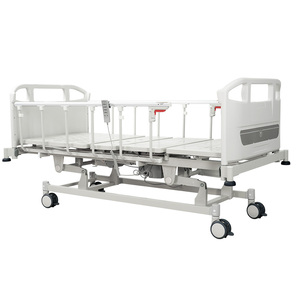
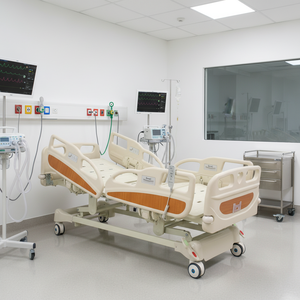
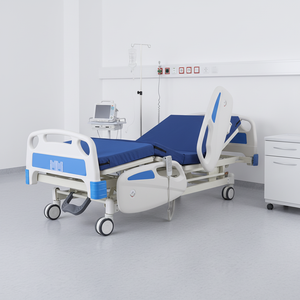
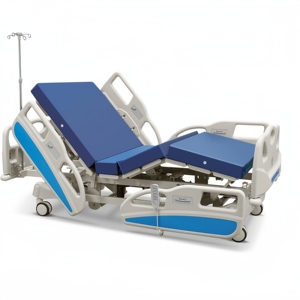
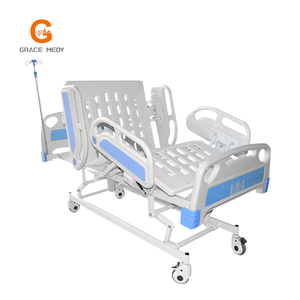
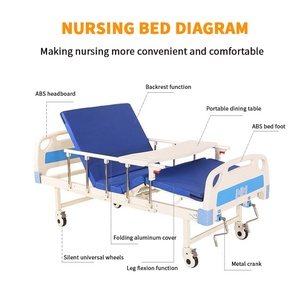
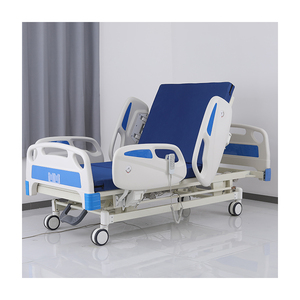
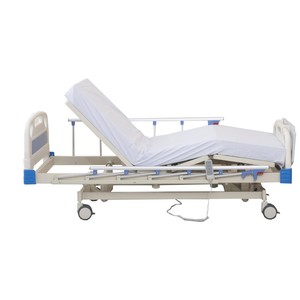
The Strategic Imperative of Manual Hospital Beds in Modern Healthcare Procurement
In an era dominated by electronic medical devices and automated patient care systems, manual hospital beds remain a critical backbone of healthcare infrastructure across the United States and international medical markets. Procurement directors, hospital operations engineers, and emergency management agencies continue to specify high-quality manual crank beds due to their unyielding mechanical reliability, zero dependence on electrical infrastructure, zero risk of electromagnetic interference (EMI), and significantly lower total cost of ownership (TCO).
A comprehensive evaluation of U.S. hospital bed procurement data reveals that while fully electric ICU beds excel in specialized acute environments, manual medical beds provide indispensable operational continuity in sub-acute care units, long-term care (LTC) facilities, rural health clinics, emergency surge centers, and correctional medical environments. When disaster strikes—whether caused by extreme weather events, regional grid failures, or cyber-attacks targeting hospital power management systems—manual beds ensure uninterrupted clinical positioning without needing generator capacity or battery replacement cycles.
Grid-Independent Operations
Manual crank mechanisms provide 100% operational readiness during electrical blackout scenarios, guaranteeing uninterrupted patient elevation and Trendelenburg positioning without auxiliary power systems.
Low Maintenance TCO
Eliminating electric actuators, printed circuit boards (PCBs), and wiring harnesses reduces long-term maintenance costs by over 65%, virtually eliminating clinical downtime due to component burnouts.
Ligature & Safety Compliance
In behavioral health and correctional healthcare facilities, the absence of electrical cords removes safety hazards, meeting stringent tamper-resistant guidelines specified by federal authorities.
Engineering Integrity & Technical Specifications
Every manual bed exported from U.S. manufacturing facilities undergoes rigorous stress-testing to meet FDA Class II medical device regulations, ANSI/AAMI ES60601-1 safety parameters, and ISO 13485 quality standards.
| Engineering Parameter | Standard Dual-Crank Manual Bed | Heavy-Duty 3-Function Manual ICU Bed | Bariatric Heavy Manual Platform |
|---|---|---|---|
| Safe Working Load (SWL) | 175 kg (385 lbs) | 250 kg (550 lbs) | 350 kg (770 lbs) |
| Frame Material & Treatment | SAE 1020 Cold-Rolled Steel / Epoxy Powder | Structural Carbon Steel / Silver-Ion Anti-Microbial | Reinforced Tubular Steel / Double-Layer Powder Coating |
| Backrest Adjustment Range | 0° to 75° (±5°) via Mechanical Worm Gear | 0° to 80° (±5°) with Constant Torque Clutch | 0° to 75° (±5°) Dual Crank Drive |
| Knee-Rest Elevation | 0° to 45° (±5°) | 0° to 45° (±5°) synchronized knee break | 0° to 40° (±5°) heavy gear mechanism |
| Height Adjustment (Hi-Lo) | Fixed Height (450 mm) | Manual Crank 420 mm to 720 mm Range | Manual Hydraulic or Dual Crank Assist |
| Side Rail Configuration | Foldable Aluminum Alloy 6-Bar Rails | Tuck-Away Polypropylene (PP) Full-Length Rails | Steel Reinforced Heavy-Duty Drop Side Rails |
| Caster & Braking System | 125 mm Covered Casters with Individual Locks | 125 mm Dust-Proof Central Brake System | 150 mm Dual-Wheel Heavy-Duty Central Locking |
| Entrapment Protection | IEC 60601-2-52 Zone 1-7 Compliant | IEC 60601-2-52 Zone 1-7 Compliant | IEC 60601-2-52 Zone 1-7 Compliant |
Localized Application Scenarios Across American Healthcare Facilities
The versatility of U.S.-manufactured manual beds extends across diverse clinical settings. Understanding localized application profiles enables health systems to optimize capital expenditure while maintaining superior patient care quality.
1. Sub-Acute Wards & Long-Term Care (LTC) Facilities
In skilled nursing homes and long-term rehabilitation units across states like Texas, Florida, and California, resident comfort and ease of maintenance are top priorities. Manual beds equipped with ergonomic 2-crank systems allow caregivers to make precise backrest and knee break adjustments for mealtime seating and pulmonary drainage without creating electrical cable clutter or requiring frequent technician intervention.
2. Disaster Preparedness & Federal Emergency Stockpiles
State emergency management agencies, Veterans Affairs (VA) emergency response networks, and humanitarian organizations maintain strategic stockpiles of manual beds. Because manual beds require zero electrical connectivity or battery conditioning, they can remain in climate-controlled storage for years and be deployed immediately during natural disasters, hurricane relief, or mobile field hospital operations.
3. Behavioral Health & Specialized Secure Wards
In psychiatric hospitals and correctional health facilities, electrical power cords and motorized actuators present severe safety risks and potential ligature points. U.S.-engineered manual beds utilize solid-core frames, tamper-proof mechanical crank covers, and floor-anchoring configurations to ensure patient safety while providing necessary clinical elevation functionality.
4. Rural Health Clinics & Global Export Logistics
For healthcare facilities in rural U.S. counties or exported destinations across Latin America, the Caribbean, and Africa, maintaining complex electronic medical equipment is cost-prohibitive due to lack of localized technician support. Our manual beds offer universal mechanical simplicity, allowing local maintenance staff to service equipment using standard hand tools.
U.S. & International Market Development Trends (2026-2030)
As healthcare purchasing managers prioritize operational sustainability, supply chain resilience, and infection control, manual medical bed manufacturing is evolving to incorporate advanced material science and modular design concepts.
1. Hybrid Conversion Architecture
Modern U.S. manual bed factories are introducing modular frames capable of retrofitting electric actuator kits. Facilities can purchase budget-friendly manual beds today and upgrade them into motorized beds in the future without replacing the main chassis.
2. Next-Gen Infection Control
The adoption of seamless polypropylene mattress decks and nano-silver anti-microbial powder coatings prevents fluid ingress and cross-contamination, supporting hospital compliance with CDC and Joint Commission infection control protocols.
3. High-Capacity Bariatric Standards
With rising patient BMI averages across North America, standard manual beds are moving from 350 lbs capacity to 550 lbs safe working loads, utilizing cold-rolled high-tensile steel tubing and reinforced dual-crank linkage systems.
Why Partner with Hoffmann NOA Medical Industries
Backed by over three decades of clinical engineering leadership and the global resources of the Hoffmann Family of Companies, we set the benchmark for medical bed manufacturing, regulatory compliance, and export reliability.

30+ Years of Manufacturing Leadership
Founded in 1989 in Washington, Missouri, NOA Medical Industries pioneered adjustable-height beds tailored specifically to post-acute and long-term care environments. Our commitment to continuous engineering refinement has earned the trust of hospital networks, state health departments, and international medical equipment distributors worldwide.
Every bed platform is built using heavy-gauge cold-rolled steel, precision robot-welded joints, and rigorous multi-stage quality inspections to guarantee failure-free performance in demanding clinical settings.

Backed by the Hoffmann Family of Companies
In 2021, NOA Medical Industries joined the Hoffmann Family of Companies, a multi-national conglomerate operating over 240 businesses across global industries. This union provides unmatched financial stability, multi-tier supply chain security, and expanding international distribution channels.
When global procurement directors source manual beds from our operations, they gain a strategic manufacturing partner capable of executing large-scale OEM/ODM contracts, volume container shipping, and localized technical training.
FDA & ISO Certified
Fully compliant with FDA 21 CFR regulations, ISO 13485 quality systems, and CE export directives.
Export Ready Logistics
Specialized flat-pack container packing maximizes shipping density for 20ft and 40ft HQ containers.
Comprehensive Warranty
Multi-year structural weld guarantees paired with readily available replacement crank and caster parts.
Custom OEM/ODM Engineering
Tailored frame dimensions, color options, side rail locks, and branding for institutional distributors.
Frequently Asked Questions by U.S. Procurement Directors & Global Importers
Addressing critical technical, regulatory, and purchasing considerations for institutional medical bed sourcing.
Request Factory Pricing & Technical Specifications
Partner with America's leading manual medical bed manufacturer and exporter. Contact our clinical engineering team today to receive detailed technical datasheets, regulatory compliance documentation, and volume container pricing.