Precision Medical & Recovery Bed Solutions
Compliant with international medical electrical equipment safety standards (IEC 60601-2-52) and custom-calibrated for Japanese healthcare ergonomics, compact ward dimensions, and nursing efficiency.
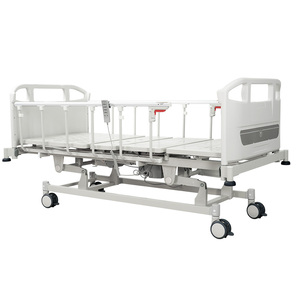
YXZ-C3 (Y302) 3-Function ICU Electric Hospital Bed
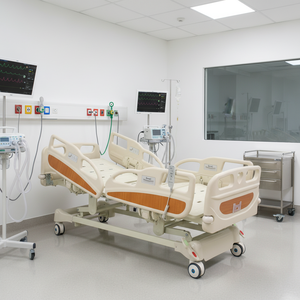
Advanced 3/5/7 Function Electric ICU Nursing Bed
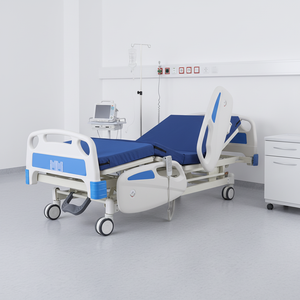
Height-Adjustable Luxury 3-Function Care Bed
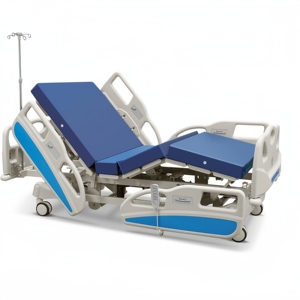
5-Function ICU Electric Bed with High-Density Mattress
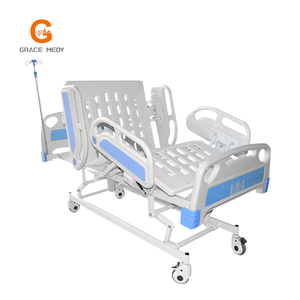
Multi-Function Electric/Manual Dual Recovery Bed
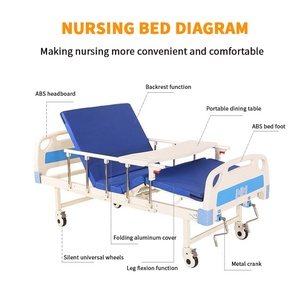
Precision Two-Crank Backrest & Knee Recovery Bed
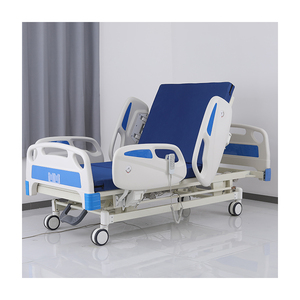
CH-C8 Stainless Steel Class II Double-Crank Medical Bed
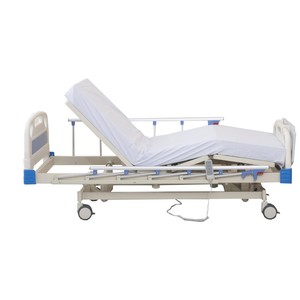
GRACEMED 3-Function Electric Bed with L&K Medical Actuator
Meeting Japan’s Demographics: Precision Engineering for the Silver Society
Japan represents the world’s most advanced super-aging society (超高齢社会), where over 29% of the total population is aged 65 or older. This demographic reality places unprecedented structural demands on inpatient recovery, sub-acute rehabilitation wards, and nursing home infrastructure.
Regulatory Alignment: JIS T 9205 & PMDA Compliance
Sourcing medical recovery beds for the Japanese healthcare procurement ecosystem requires adherence to the nation's stringent regulatory framework governed by the Pharmaceuticals and Medical Devices Agency (PMDA) and the Ministry of Health, Labour and Welfare (MHLW).
Unlike standard commercial hospital furniture, recovery beds targeted for Japanese hospitals and long-term care insurance (介護保険 - Kaigo Hoken) facilities must rigorously comply with JIS T 9205 (Electric Beds for Medical Care) and the international standard IEC 60601-2-52.
- Zero Side-Rail Entrapment Tolerances: Designed to eliminate risk zones in gaps between split rails, headboard junctions, and mattress decks according to MHLW national safety alerts.
- Ultra-Low Floor Deck Heights (Down to 150mm): Mitigating fracture and traumatic injury risks associated with fall-prone geriatric patients without requiring chemical or physical restraints.
- Electrical Safety Leakage Current Control: Conforming to JIS T 0601-1 Class I Type B/BF insulation protocols, keeping earth leakage current strictly below 100µA.
Architectural & Ergonomic Optimization for Japanese Wards
Hospital architecture in major metropolitan centers like Tokyo, Osaka, and Fukuoka is governed by strict floor-area optimization rules and the standard Japanese architectural meter-grid (910mm module / Shaku-kan). Standard Western bariatric beds frequently exceed the corridor turning radii, elevator clearances, and doorway thresholds of Japanese multi-bed rooms (4-bed shared rooms - 4人部屋).
Our OEM/ODM manufacturing protocols engineer compact external footprints without sacrificing internal patient ergonomics. By utilizing high-tensile cold-rolled steel alloy frames, our recovery beds maximize the internal clearance (850mm to 910mm mattress width) while maintaining a streamlined outer chassis width under 990mm.
- Seismic Anti-Dislodgement Floor Locks: Integrated high-friction dual-wheel central locking castors designed to absorb seismic shockwaves and prevent uncommanded displacement.
- Japanese Language Caregiver Interfaces: Ergonomic hand pendants and nurse control stations silkscreened with standard Japanese clinical iconography and Kanji labels.
- Kaigo Workload Reduction (介護負担軽減): Synchronized backrest and thigh articulation designed to eliminate abdominal shear forces during elevation.
Targeted Recovery Bed Applications Across Japan's Healthcare Tiers
Under Japan's Community-Based Integrated Care System (地域包括ケアシステム), patient bed requirements vary drastically depending on the care phase, rehabilitation intensity, and institutional acuity.
1. Kaifukuki Sub-Acute Rehabilitation Wards (回復期リハビリテーション)
Crucial for post-stroke, post-cardiac, and orthopedic surgical patients recovering mobility within the statutory 180-day rehabilitation window. Beds require rapid conversion to high-Fowler cardiac chair positions and ultra-smooth electric egress heights to facilitate physical therapy transfers.
2. Tokuyo Special Nursing Homes (特別養護老人ホーム)
Long-term care facilities under the Kaigo Hoken insurance system require ultra-low floor beds (15cm deck height) with non-institutional wood-grain aesthetic panels. Focus is placed on pressure injury prevention (褥瘡予防), zero-noise night-time adjustment, and tool-free rail removal.
3. Acute Care & General Hospital Recovery (急性期病棟)
Intended for post-operative monitoring and surgical recovery wards. Equipped with full Trendelenburg/Anti-Trendelenburg articulation, instant dual-sided mechanical CPR release levers, integrated central braking systems, and seamless Nurse Call communication ports.
4. Zaitaku Home Care & Rental Market (在宅医療・福祉用具貸与)
Compliant with Japan's extensive welfare equipment rental business models. Features modular quick-assembly steel chassis designs that can be transported through tight apartment elevators and residential stairwells, combined with low power draw (24V DC systems).
Technical Specification Matrix for Japan Market Importers
Direct factory comparison showing structural materials, actuation technologies, and compliance benchmarks configured for institutional distributors and Japanese healthcare GPOs.
| Engineering Parameter | ICU Electric Series (YXZ-C3 / 5-Func) | Kaifukuki Care Series (Luxury 3-Func) | Mechanical Ward Series (CH-C8 / 2-Crank) | Japanese Market Benchmark (JIS T 9205) |
|---|---|---|---|---|
| Frame Metallurgy & Construction | Robotic Laser-Cut Cold Rolled Carbon Steel (SPCC) | Reinforced Tubular Steel + Hardwood Veneer | Stainless Steel (SUS304) + SPCC High-Tensile | High Fatigue Resistance Under Static 4000N Load |
| Actuator & Drive System | Medical Linear Actuators (L&K / Linak / Dewert) | Low-Noise 24V DC Whisper Drive (<38dB) | Dual-Direction Telescopic Screw Crank (Manual) | Thermal Overload Protection + IPX4 Waterproof |
| Deck Height Range (Stroke) | 450mm – 820mm (Continuous Elevation) | 180mm – 680mm (Ultra-Low Floor Architecture) | 480mm (Fixed Base Standard) | Low Floor <250mm Mandated for Geriatric Safety |
| Backrest / Knee Elevation | Backrest: 0–75° (±5°), Knee-Rest: 0–45° (±5°) | Backrest: 0–70° with Auto-Regression Decoupling | Backrest: 0–75°, Knee-Rest: 0–40° | Back-Regression to Relieve Intra-Abdominal Shear |
| Trendelenburg / Reverse | ±12° to ±16° Continuous Electric Adjustment | Optional 10° Reverse Trendelenburg for Feeding | N/A (Standard Flat Base) | Mandatory for Acute Post-Op Airway Clearance |
| Safe Working Load (SWL) | 250 kg (550 lbs) Certified | 200 kg (440 lbs) Certified | 180 kg (396 lbs) Certified | Minimum 170kg Proof-Test Safety Factor 2.5x |
| Surface Finishing & Anti-Microbial | Nano-Silver Epoxy-Polyester Powder Coating | Electrophoretic Dip Coating (EDP) + Anti-Bacterial | Passivated SUS304 + Antibacterial Powder Coat | Resistance to Sodium Hypochlorite & Ethanol Disinfection |
| Compliance & Certifications | ISO13485 / CE / PMDA Dossier | JIS T 9205 / IEC 60601-2-52 | ISO9001 / Class I Medical | Class II Medical Device Notification / Shinsa Ready |
Emerging Market Trends Driving Japanese Bed Procurement
The confluence of extreme caregiver shortages (介護人材不足) and advanced IoT medical infrastructure is fundamentally transforming recovery bed design specifications across Japan.
Integration with Vital Sensor Radars (見守りセンサー)
Japanese nursing homes and sub-acute hospitals are rapidly deploying non-contact piezoelectric and millimeter-wave radar sensors under mattresses. Our bed frames feature factory-engineered recessed sensor bays and unshielded cable conduits to deliver continuous respiratory rate, heart rate, and bed-exit movement monitoring without interfering with electrical motor coils.
Zero-Strain Auto-Contouring & Egress Ergonomics
Caregiver musculoskeletal injury accounts for over 60% of occupational compensation claims in Japanese elderly welfare institutions. Our intelligent synchronization linkages raise the backrest and pelvic section simultaneously while slightly tilting the knee deck, effectively preventing the patient from sliding forward and eliminating the physical effort needed to reposition patients.
Compact Footprint with High Bariatric Rigidity
While average patient physical stature in Japan requires narrower bed decks (850-910mm), the prevalence of post-operative orthopedic recovery cases demands exceptional frame rigidity without structural deflection. Utilizing finite element analysis (FEA) optimized steel truss chassis, our beds deliver industrial-grade stability while fitting seamlessly into standard Japanese 2-person and 4-person ward room modules.
Why Global Healthcare Brands & Japanese Trading Houses Partner With Us
Combining 30+ years of dedicated healthcare bed manufacturing precision with the massive international operational scaling of the Hoffmann Family of Companies network (240+ global operations).
Robotic Production & Japanese Laser Tolerance
Our intelligent smart factory operates high-precision automated laser tube-cutting stations, robotic Panasonic welding cells, and automated electrostatic powder coating lines. Dimensional tolerances are held strictly within ±0.5mm, ensuring 100% interchangeability of side rails, headboards, and accessory mounts across production batches.
Exhaustive Actuator Duty-Cycle Life Testing
Every motor, control box, and hand pendant is tested through 100,000+ continuous full-load cycles inside dedicated acoustic chambers to ensure whisper-quiet operation below 40 decibels. Electrical safety insulation is verified on automated test benches conforming to IEC/JIS 60601-1 standards before shipment packaging.
Full OEM/ODM Customization & PMDA Dossiers
We provide full-scope private label manufacturing for Japanese medical device marketing authorization holders (MAH / 製造販売業者). Our dedicated regulatory engineering team supplies complete technical documentation, component material declarations, biocompatibility reports (ISO 10993), and risk analysis files (ISO 14971).
Frequently Asked Questions for Japanese Importers & Wholesalers
Essential technical, regulatory, and commercial answers for hospital directors, medical device distributors (Alfresa, Mediceo, Suzuken partners), and welfare rental equipment purchasing managers.
Accelerate Your Medical Bed Procurement for Japan
Whether you require customized JIS T 9205 compliant hospital recovery beds, private-label OEM manufacturing for Kaigo Hoken rental channels, or institutional bids for sub-acute hospital expansions in Japan — our precision manufacturing engineers are ready to assist.