Export-Grade Medical & Riser Beds for Poland
Certified electric and manual bed platforms designed for intensive care units, long-term care facilities, and rehabilitation centers.
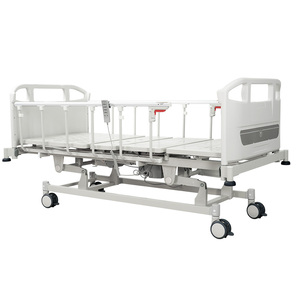
YXZ-C3(y302) 3-Function ICU Electric Hospital Bed
- ISO 13485 & CE MDR Certified
- High-durability ABS/Steel frame
- Manual CPR dual-side release
- Dual L&K quiet motor actuators
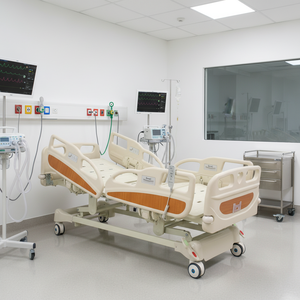
Clinical Patient Nursing Electric ICU Bed (3/5/7 Function)
- Trendelenburg & Reverse (±16°)
- Central braking castor system
- Low-height riser adjustment
- IPX4 wash-down electrical protection
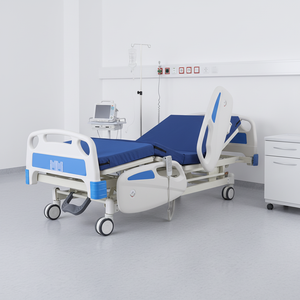
Height Adjustable Luxury 3-Function Electric Care Bed
- Ultra-low riser fall prevention design
- Ergonomic wood-grain finish
- Handheld nurse controller with lockouts
- EN 60601-2-52 anti-entrapment rails
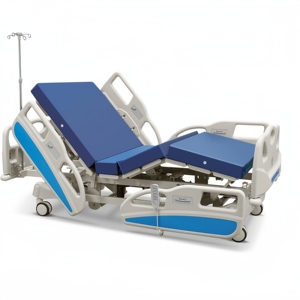
Cama Clinica 5-Function Electric ICU Bed with Mattress
- Integrated digital weight scale option
- Radiolucent backrest for X-ray access
- Medical-grade anti-decubitus mattress
- 250 kg Safe Working Load (SWL)
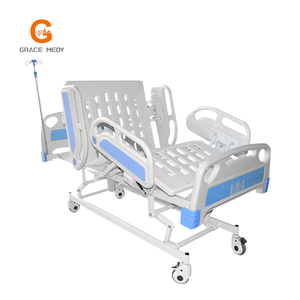
Multi-Function Manual/Electric Hospital Examination Riser Bed
- Heavy-duty steel reinforcement
- Foldable stainless steel side guards
- Emergency backup hand cranks
- High-acuity triage positioning
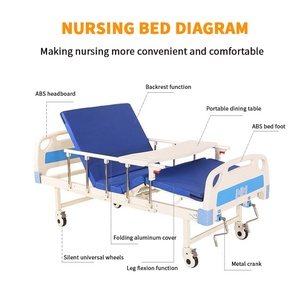
Hospital Recovery Two-Crank Manual Medical Bed
- Backrest adjustment (0-75°)
- Leg section flex (0-45°)
- Aluminum alloy collapsible rails
- Economical municipal tender pick
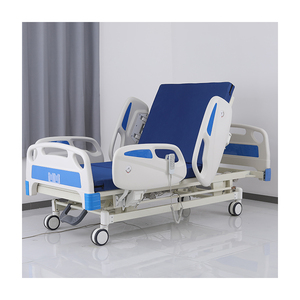
Chenhong CH-C8 Double-Shaking Stainless Steel Medical Bed
- Class II Medical Device registration
- 304 Stainless steel framing
- High-resistance disinfection coating
- Optimal for infectious isolation wards
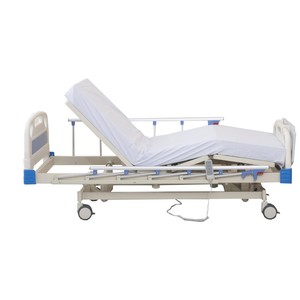
GRACEMED 3-Function Electronic Bed with European L&K Motor
- German/EU precision actuation system
- 230V/50Hz native Polish grid support
- Smooth, whisper-quiet operation (<45dB)
- Full 1-Year international warranty
1. The Polish Healthcare Sector & Riser Bed Procurement Ecosystem
Poland represents one of the fastest-growing healthcare technology markets in Central and Eastern Europe (CEE). Driven by demographic shifts, statutory modernizations within the National Health Fund (Narodowy Fundusz Zdrowia - NFZ), and capital injections from EU Regional Development Funds, healthcare providers across Poland are aggressively upgrading their clinical bed capacity. For international procurement managers, hospital directors, and medical equipment distributors, securing high-performance, EU MDR-certified riser beds is a strategic priority.
Demographic data underscores this urgent market demand: over 22% of Poland's population is currently over 65 years of age, a figure projected by Główny Urząd Statystyczny (GUS) to surpass 30% by 2040. This silver wave has catalyzed expansion across both public hospital wards (Szpitale Publiczne) and long-term care infrastructure, specifically Care and Treatment Facilities (Zakłady Opiekuńczo-Lecznicze - ZOL) and Social Welfare Homes (Domy Pomocy Społecznej - DPS). Consequently, demand has shifted toward motorized height-adjustable riser beds that mitigate fall risks for frail elderly patients while protecting nursing staff from occupational strain.
Strategic Procurement Insight for Poland: Public hospital tenders (Przetargi Publiczne) operating under the Polish Public Procurement Law require strict adherence to EU Medical Device Regulation (MDR 2017/745), EN 60601-2-52 safety parameters, and proven lifecycle cost-efficiencies.
Navigating the Polish procurement landscape requires a clear understanding of regulatory and operational demands. Hospitals in major healthcare hubs such as Warsaw, Kraków, Wrocław, Poznań, and Gdańsk demand medical equipment with verified CE compliance, multilingual documentation, and rapid spare-parts availability across European logistics corridors.
2. Regulatory Compliance & Technical Engineering Benchmarks
To successfully supply and operate medical riser beds within the Polish healthcare system, equipment must satisfy rigorous European Union directives and international electrotechnical safety standards. Our engineering team designs every bed platform to exceed these mandatory compliance thresholds:
EU Medical Device Regulation (MDR 2017/745)
Under the EU MDR framework, medical beds are classified as Class I or Class IIa active medical devices. Compliance requires full technical documentation, rigorous risk assessment (ISO 14971), clinical evaluation reports (CER), and registration within the EUDAMED database. Our export models come fully equipped with valid Declarations of Conformity (DoC) and CE markings, streamlining customs clearance through major logistics entry points including the Port of Gdańsk, Gdynia, and overland hub hubs.
DIN EN 60601-2-52 Safety Standards for Medical Beds
The IEC/EN 60601-2-52 standard mandates precise mechanical and electrical safety criteria to prevent hazardous patient entrapment. Key engineering controls include:
Anti-Entrapment Rail Architecture
Dimensions between side rail bars, bed boards, and mattress platforms are strictly controlled to prevent head, neck, and torso entrapment, adhering to Zone 1 through Zone 7 safety guidelines.
Electrical Isolation & IPX4/IPX6
Actuator motors (Linak / L&K) feature IPX4 or IPX6 ingress protection, permitting thorough chemical wash-down and surface disinfection enforced by Polish sanitary inspectors (Sanepid).
3. Localized Application Scenarios Across Polish Healthcare Facilities
Medical care delivery in Poland varies across care settings. Riser beds must adapt to distinct clinical environments—from intensive therapy wards to community nursing homes.
1. ICU & Anesthesiology Wards (OOMiT)
In Polish Intensive Care Units (Oddział Anestezjologii i Intensywnej Terapii), bed platforms like the YXZ-C3 and Cama Clinica offer full electric 5/7-function controls. Features like dual CPR manual quick-release, Trendelenburg/Reverse Trendelenburg (±16°), radiolucent backrests for portable X-ray imaging, and central braking systems are critical for high-acuity life support.
2. Long-Term Care (ZOL & DPS)
Care and Treatment Facilities (ZOL) and Social Welfare Homes (DPS) prioritize low-riser beds (200mm–250mm floor clearance). By lowering the mattress platform close to the floor, facilities eliminate physical restraints while preventing nighttime fall injuries, honoring resident dignity and reducing caregiver liability.
3. Geriatric Rehabilitation Units
Motorized auto-regression backrests elevate patients into a comfortable sitting position without abdominal compression. This facilitates early mobilization, respiratory therapy, and meal consumption for post-stroke and orthopedic recovery patients in Polish rehab centers.
4. Specialized Bariatric Care
With obesity rates rising across Central Europe, facilities require heavy-duty riser beds with expandable decks (up to 120cm width) and reinforced steel platforms supporting Safe Working Loads up to 280 kg, backed by dual-drive motor systems.
4. B2B Specification Comparison Matrix for Polish Buyers
Compare key technical features across our primary exported medical and riser bed series to align with your facility's operational budget and clinical requirements:
| Model Series | Primary Clinical Setting | Actuation System | Safe Working Load | Key Standard Features |
|---|---|---|---|---|
| YXZ-C3 (y302) | ICU / High-Acuity Wards | Electric (3-Function) | 250 kg | Dual CPR Release, ABS Split Side Rails, ISO 13485 |
| Clinical ICU 3/5/7 | Intensive Care / Cardiac | Full Electric Multi-Drive | 280 kg | Trendelenburg ±16°, Central Braking, IPX6 Motor |
| Luxury LTC Riser | ZOL / DPS Nursing Homes | Ultra-Low Electric Riser | 200 kg | Ultra-Low Height (220mm), Nurse Lockout, Wood Finish |
| Cama Clinica 5-Fn | ICU / Surgical Recovery | 5-Motor Actuation | 250 kg | Integrated Weight Scale, Radiolucent X-Ray Backrest |
| CH-C8 Stainless | Infectious Isolation Wards | Double-Shaking Mechanical | 220 kg | 304 Stainless Steel, Class II MDR Medical Device |
| GRACEMED Series | General Wards / Municipal | European L&K Electric | 230 kg | Whisper Quiet (<45dB), 230V/50Hz Native Plug |
5. Medical Bed Development Trends in Poland (2025–2030)
The Polish healthcare market is rapidly adopting technology-driven operational models. Exporters and distributors must align with three key market trends over the next decade:
1. Shift to Zero-Restraint Fall Prevention Policies
Polish health authorities and bioethics committees are increasingly discouraging physical patient restraints. Low-riser beds—which lower mattress decks to less than 250mm from the floor—have become the preferred alternative in long-term care settings, creating a strong market pull for electric riser beds.
2. Integration of Smart Sensors & Telemetry
Modern Polish hospital tenders increasingly require medical beds to interface with Hospital Information Systems (HIS). Next-generation riser beds integrate continuous weight monitoring sensors, out-of-bed posture alarms, and nurse call connectivity to enhance patient surveillance.
3. Green Public Procurement & Energy-Efficient Actuators
Under European Green Deal guidelines, Polish municipal hospitals prioritize medical equipment with low standby power consumption (<0.5W), recyclable frame materials, and eco-friendly silver-ion antimicrobial coatings.
Why Partner with Hoffmann NOA Medical Industries
With over 30 years of manufacturing innovation, Hoffmann NOA Medical Industries brings world-class engineering, ISO 13485-certified quality management, and the global supply chain strength of the Hoffmann Family of Companies (operating 240+ businesses worldwide) to healthcare providers across Poland.
We work closely with Polish medical distributors, hospital procurement committees, and tender managers to deliver customized OEM/ODM configurations, flexible minimum order quantities (MOQs), and direct factory pricing.
6. Frequently Asked Questions (FAQ) for Polish Buyers
Request Polish Market Product Catalog & B2B Quotation
Partner with a trusted global manufacturer. Contact our export desk today to receive complete technical datasheets, CE documentation, and direct factory pricing for your Poland healthcare project.